Sterling Silver vs White Gold: Which Should You Choose?
Sterling silver (ISO 925 sterling silver standard) and white gold both offer a bright white appearance but at very different price points and durability levels. Understanding the tradeoffs helps consumers choose the right metal.
SECTION 01Composition
| Property | 925 Sterling Silver | 14K White Gold | 18K White Gold |
|---|---|---|---|
| Precious Metal | 92.5% silver | 58.3% gold | 75% gold |
| Alloy | 7.5% copper | Copper, nickel/zinc | Copper, nickel/palladium |
| Hardness (HV) | 60-70 | 140-180 | 120-160 |
| Density (g/cm3) | 10.4 | 12.5-14.5 | 15.5-16.5 |
SECTION 02Appearance
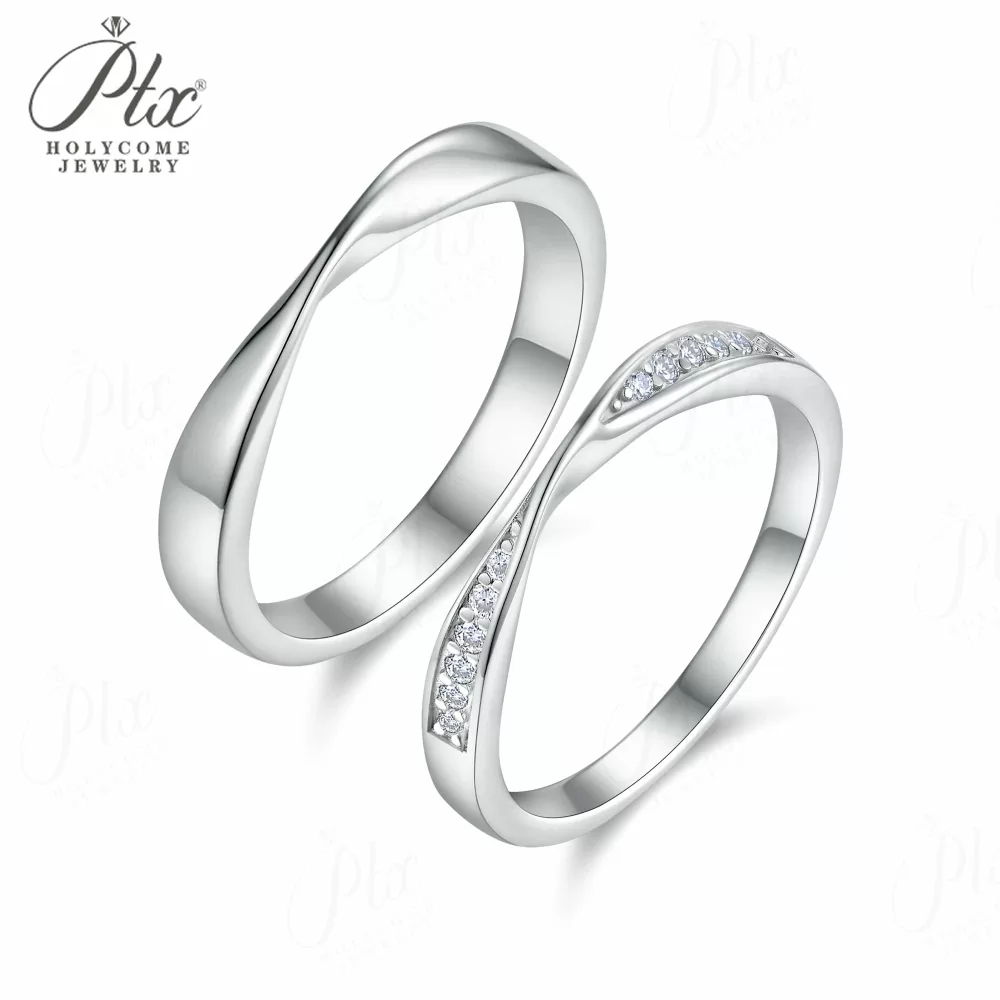
Both metals are typically rhodium plated for a bright white finish. High-quality rhodium-plated silver and white gold look nearly identical when new. Over time, silver tarnishes (darkens) and white gold rhodium wears off to reveal a warmer yellowish-white.
SECTION 03Durability and Wear
| Factor | Sterling Silver | White Gold |
|---|---|---|
| Hardness | Softer (60-70 HV) | Harder (120-180 HV) |
| Scratch resistance | Moderate | Good |
| Tarnish | Yes - needs regular polishing | No tarnish (but plating wears) |
| Daily wear | Good for most jewelry | Excellent for rings/bracelets |
| Lifespan | Decades with care | Lifelong with care |
SECTION 04Price Comparison
| Item | Sterling Silver | 14K White Gold | 18K White Gold |
|---|---|---|---|
| Simple band | $20-50 | $200-350 | $300-500 |
| Chain necklace | $30-80 | $300-600 | $500-900 |
| Stud earrings | $15-40 | $150-300 | $250-450 |
| Engagement setting | $50-150 | $500-900 | $800-1,500 |
Silver is approximately 5-10x cheaper than white gold. For fashion jewelry and trend pieces, silver offers excellent value. For engagement rings and heirloom pieces, white gold durability justifies the premium.
SECTION 05Maintenance
- Silver - Polish 1-2x/month; store in anti-tarnish bags; remove before showering
- White gold - Re-plate rhodium every 6-18 months ($20-50); clean with soap and water
SECTION 06Recommendation by Jewelry Type
| Jewelry Type | Recommendation | Reason |
|---|---|---|
| Engagement ring | White gold or platinum | Durability for daily wear |
| Everyday necklace | Either | Both work; silver for budget |
| Fashion/trend pieces | Silver | Affordable, update easily |
| Heirloom pieces | White gold | Precious metal, lasting value |
| Bracelets (daily) | White gold | More scratch resistant |
SECTION 07Frequently Asked Questions
Does sterling silver tarnish more than white gold?
Yes. Sterling silver tarnishes (darkens) when exposed to sulfur, requiring regular polishing. White gold does not tarnish, but its rhodium plating wears off over 6-18 months, revealing a warmer base that requires re-plating. Both need maintenance, but of different types.
Can you tell sterling silver from white gold?
When new and rhodium-plated, they look nearly identical. Over time, silver tarnishes while white gold plating wears to a warmer tone. White gold is denser/heavier. Hallmarks (925 vs 14K/18K) identify the metal. A jeweler can test with acid or XRF.
Is sterling silver good for engagement rings?
Sterling silver can be used for engagement rings but is softer than white gold, so it will show more scratches and may require more frequent prong re-tipping. For a ring worn daily for decades, white gold or platinum is more durable. Silver is excellent for promise rings and budget options.
Why is white gold more expensive than silver?
White gold contains 58-75% pure gold (a precious metal valued at ~$2,000+/oz), while silver is 92.5% silver (~$25/oz). The raw material cost difference is approximately 50-80x. White gold is also harder and considered a fine/precious metal, while silver is semi-precious.
More expert guides at HOLYCOME. Wholesale: service@holycome.com.
SECTION 08Related Articles
Frequently Asked Questions
Does sterling silver tarnish more than white gold?
Can you tell sterling silver from white gold?
Is sterling silver good for engagement rings?
Why is white gold more expensive than silver?
Looking for Wholesale Jewelry?
Wuzhou HengliLai Jewelry Co., Ltd. - Professional gemstone and jewelry manufacturer in Wuzhou, China. OEM/ODM services, factory-direct pricing, low MOQ.
Contact on WhatsApp service@holycome.com