925 Sterling Silver: The Complete Guide for Jewelry Manufacturers
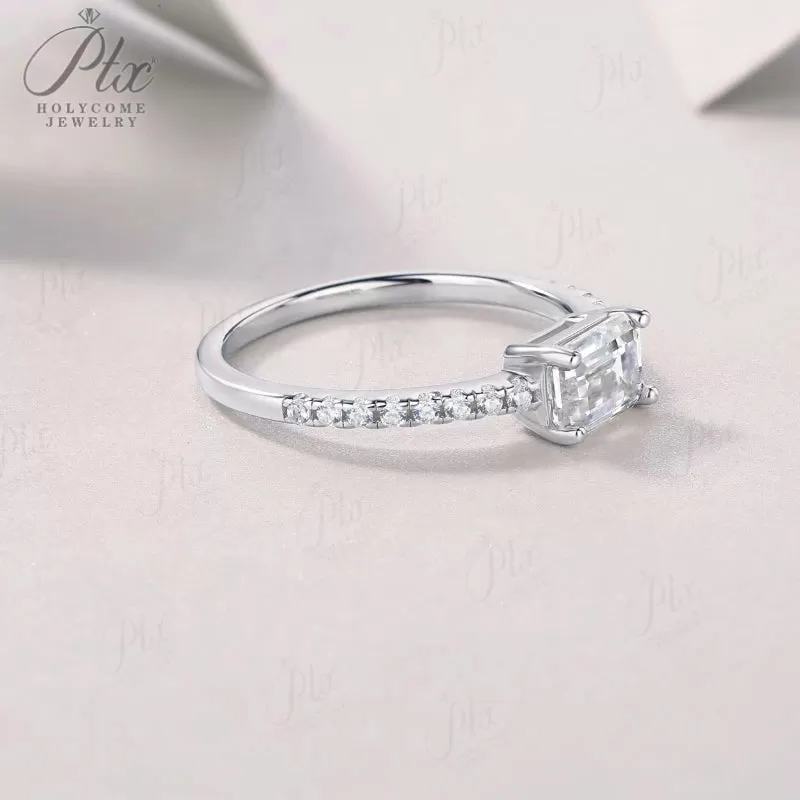
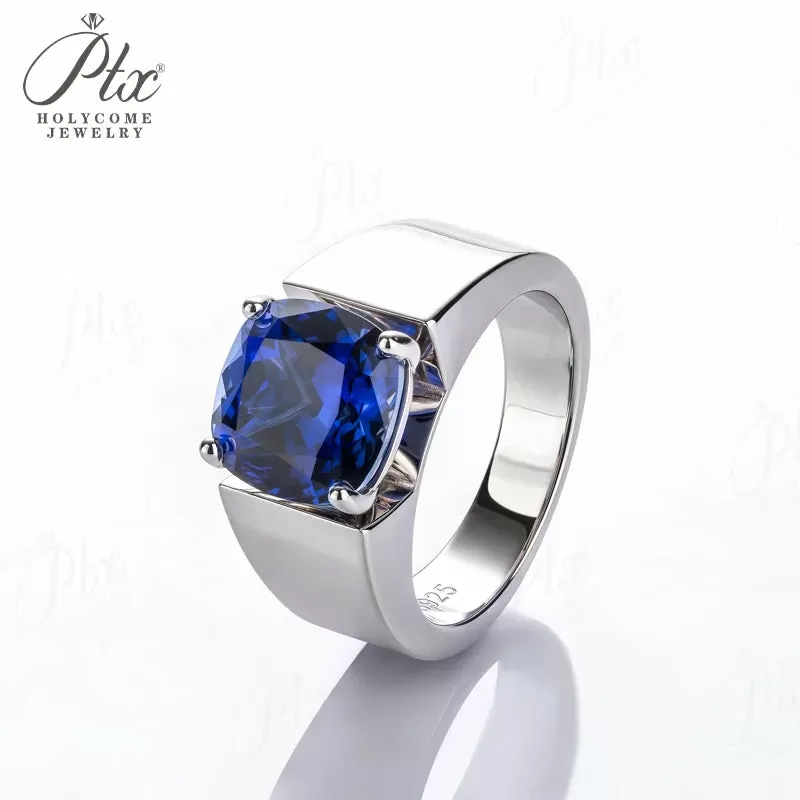
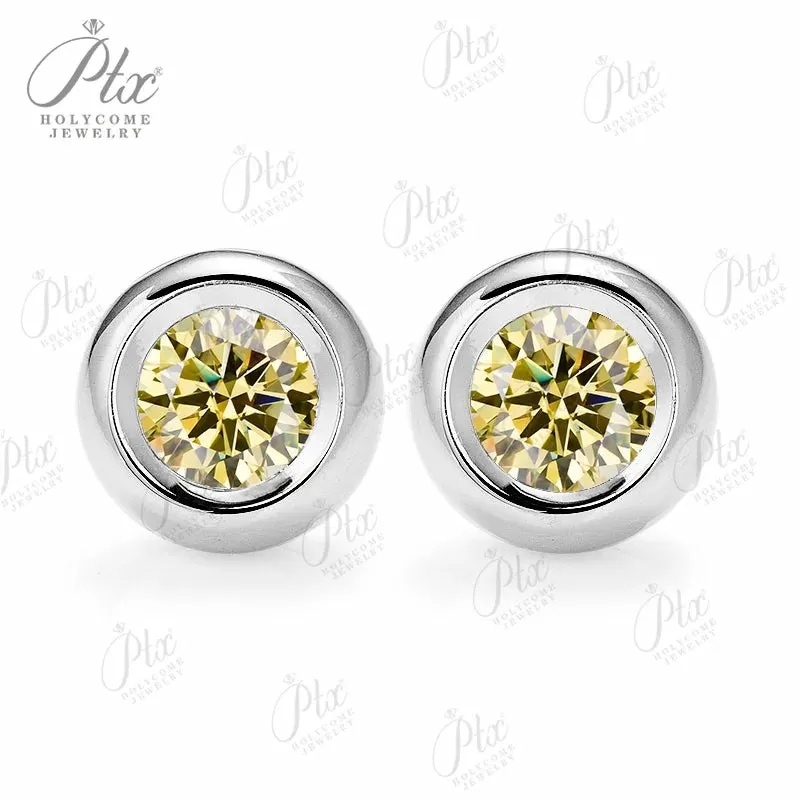
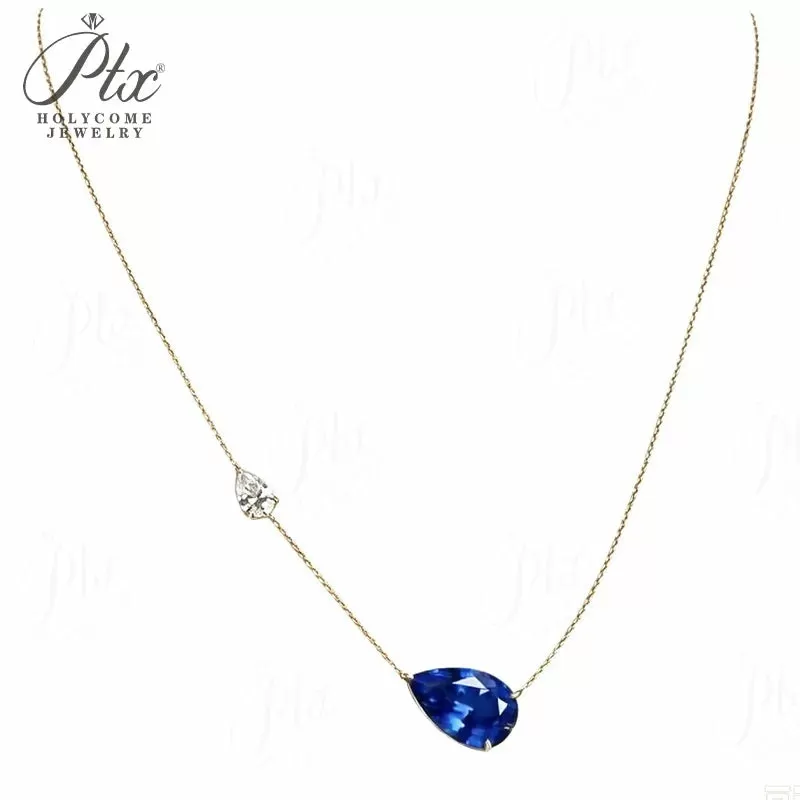
925 (ISO 925 sterling silver standard) sterling silver is the backbone of commercial jewelry worldwide, valued for its beauty, durability, and affordability. Understanding its composition, care requirements, and market dynamics is essential for any jewelry manufacturer or retailer.
SECTION 01What Does 925 Mean?
The "925" stamp indicates that the metal is 92.5% pure silver alloyed with 7.5% other metals, typically copper. Pure silver (999 fineness) is too soft for everyday jewelry — it bends, scratches, and loses shape easily. The copper addition hardens the silver while preserving its bright white color and workability.
SECTION 02Why Copper?
Copper is the traditional alloying metal because it strengthens silver without significantly altering its color. However, copper is also the primary cause of tarnish — when exposed to sulfur compounds in air, water, and cosmetics, copper reacts to form copper sulfide, which appears as a dark, dull film on the silver surface.
| Property | 925 Sterling Silver | Pure Silver (999) | Stainless Steel |
|---|---|---|---|
| Purity | 92.5% Ag | 99.9% Ag | ~0% Ag |
| Hardness (HV) | 60-70 | 25-30 | 150-200 |
| Melting Point | 890°C | 962°C | 1400-1450°C |
| Tarnish Resistance | Moderate | Low | Excellent |
| Hypoallergenic | Yes (usually) | Yes | Yes |
| Price (per oz) | ~$22-25 | ~$25-28 | ~$1-2 |
SECTION 03Rhodium Plating: The Standard Finish
Most commercial sterling silver jewelry is plated with rhodium — a rare, precious metal in the platinum family. Rhodium plating provides a bright, white, tarnish-resistant finish that also makes silver look more like white gold or platinum. The plating is typically 0.5-1.0 microns thick and lasts 6-18 months with regular wear.
Rhodium plating does add cost (approximately $0.50-3.00 per piece depending on size) but is essential for quality commercial jewelry. Without plating, silver tarnishes quickly and requires frequent polishing.
SECTION 04Tarnish Prevention and Care
- Store in airtight containers or anti-tarnish bags to reduce exposure to sulfur
- Avoid contact with perfume, hairspray, chlorine, and household chemicals
- Remove before swimming, showering, and exercising
- Clean regularly with a silver polishing cloth or mild soap and water
- Consider rhodium replating every 12-18 months for frequently worn pieces
SECTION 05Hypoallergenic Properties
Sterling silver is generally considered hypoallergenic because the 7.5% alloy is primarily copper, which rarely causes allergic reactions. However, some lower-quality silver may contain nickel as an alloying metal, which can cause contact dermatitis in sensitive individuals. Always source from suppliers who guarantee nickel-free 925 silver.
SECTION 06Wholesale Pricing and Sourcing
Sterling silver jewelry pricing is based on silver content (weight) plus manufacturing labor. As of 2025, silver spot price fluctuates around $25-30/oz. A typical silver ring (3-5g) contains approximately $2.50-4.50 worth of silver, with wholesale finished prices ranging from $5-25 depending on complexity and stone setting.
SECTION 07Common Silver Stamps and What They Mean
- 925 / Sterling — Genuine 92.5% silver
- 999 / Fine Silver — 99.9% pure silver, too soft for most jewelry
- 900 / Coin Silver — 90% silver, older standard
- EPNS / Silver Plated — Base metal with silver coating, NOT solid silver
- German Silver / Nickel Silver — Contains NO silver, copper-nickel-zinc alloy
SECTION 08Frequently Asked Questions
Does 925 silver turn green?
No, genuine 925 sterling silver does not turn skin green. Green discoloration is caused by copper in base metals or low-quality plated jewelry. If silver turns your skin green, it may be plated or contain high levels of copper alloy.
How long does rhodium plating last on silver?
Rhodium plating on sterling silver typically lasts 6-18 months with regular wear. Rings wear faster than pendants or earrings due to constant contact. Re-plating costs $0.50-3.00 per piece and restores the bright white finish.
Is 925 silver good for everyday wear?
Yes, 925 sterling silver is durable enough for everyday wear when properly cared for. Its 92.5% purity provides sufficient hardness for rings, bracelets, and necklaces. Rhodium plating adds extra protection against tarnish and scratches.
Can I shower with sterling silver?
It is not recommended. Chlorine, soap, and hot water can accelerate tarnishing and damage rhodium plating. Remove silver jewelry before showering, swimming, or exercising to maintain its appearance and longevity.
Explore more jewelry manufacturing guides at HOLYCOME or contact our team at service@holycome.com for wholesale sourcing.
SECTION 09Related Articles
- White Gold Manufacturing: Rhodium Plating, Alloys, and Quality Control
- Alloy Metals in Jewelry: Types, Safety & | Metal Guide
Related reading: Sterling Silver vs White Gold: Which Should You Choose?, Silver Jewelry Care: Preventing Tarnish and Restoring Shine, How to Clean Gemstone Jewelry by Stone Type: A Complete Reference.
Frequently Asked Questions
Does 925 silver turn green?
How long does rhodium plating last on silver?
Is 925 silver good for everyday wear?
Can I shower with sterling silver?
Looking for Wholesale Jewelry?
Wuzhou HengliLai Jewelry Co., Ltd. - Professional gemstone and jewelry manufacturer in Wuzhou, China. OEM/ODM services, factory-direct pricing, low MOQ.
Contact on WhatsApp service@holycome.com