Gold Electroplating Explained: How Gold Plating Is Made and Why It Wears
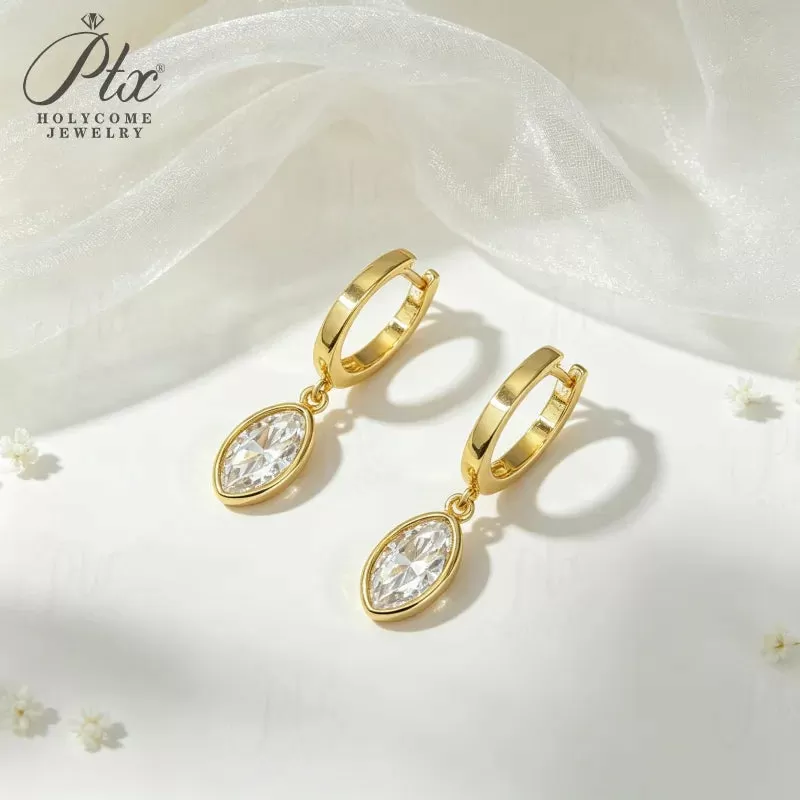
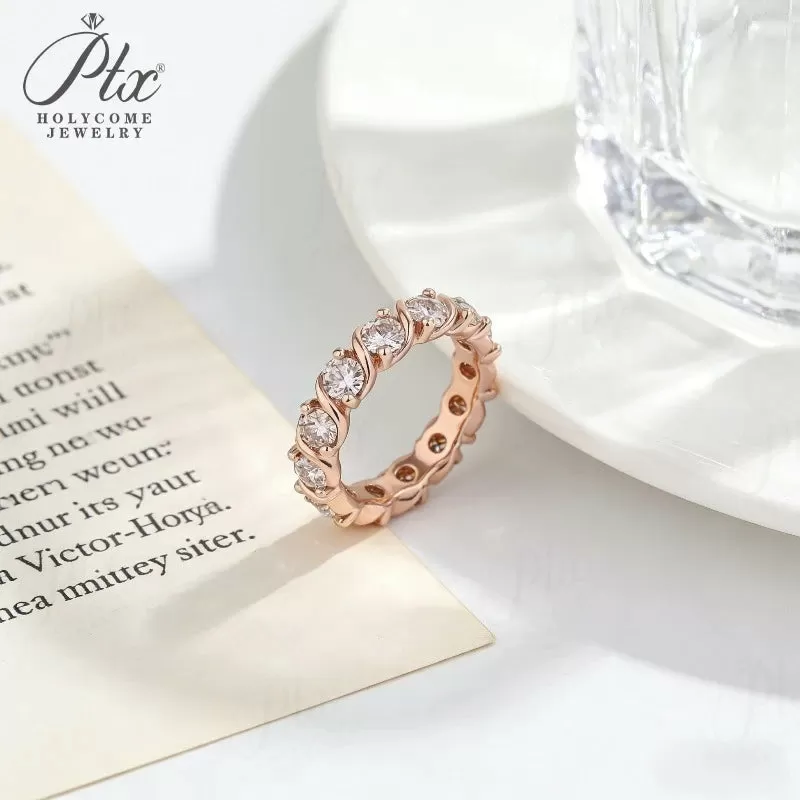
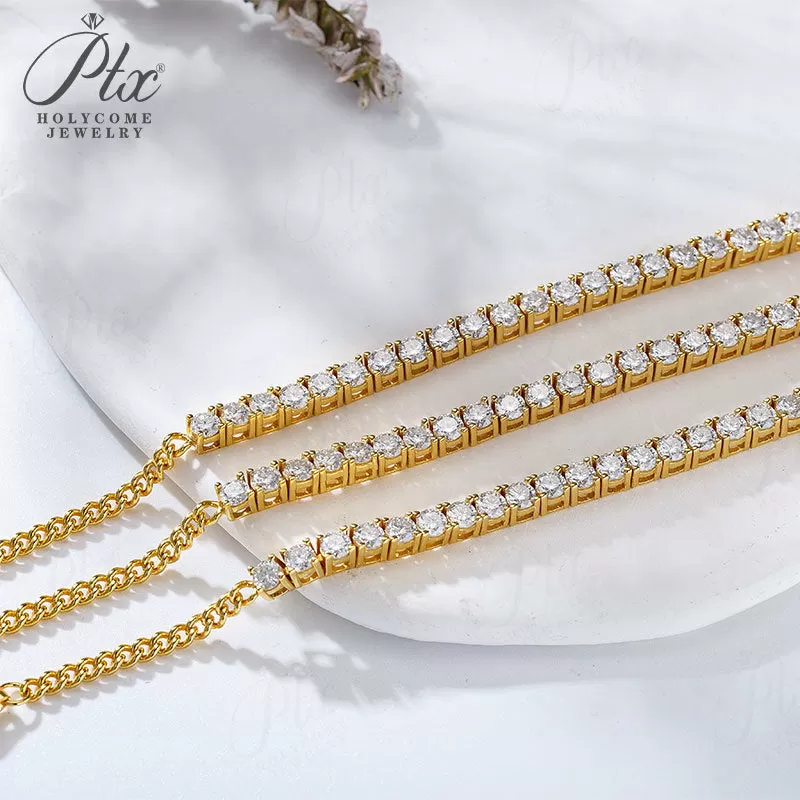
Gold plating deposits a thin layer of gold onto a base metal (usually brass, copper, or sterling silver) using electrical current. Understanding how plating works and why it wears helps manufacturers and consumers make informed decisions.
SECTION 01The Electroplating Process
- Cleaning - The base metal is thoroughly cleaned to remove oils and contaminants
- Activation - The surface is prepared with a mild acid for adhesion
- Strike layer - A thin initial layer (often nickel or copper) is applied
- Gold plating - The piece is immersed in gold solution and current deposits gold ions
- Rinsing and drying - The piece is rinsed and dried
- Polishing - Optional final polish for shine
The entire process takes 30-90 minutes per batch. Thickness is controlled by current strength and immersion time.
SECTION 02Plating Thickness Standards
| Type | Thickness | Lifespan | Cost |
|---|---|---|---|
| Flash plating | 0.05-0.1 micron | Weeks-months | 0.10-0.30 |
| Gold electroplating | 0.175-0.5 micron | Months | 0.30-0.80 |
| Heavy gold plating | 1-3 microns | 1-2 years | 0.80-2.00 |
| Gold vermeil | 2.5+ microns on silver | 1-3 years | 1-3 |
| Gold filled | 5pct by weight (50-100 microns) | 10-30 years | 5-15 |
The FTC requires a minimum of 0.175 microns for items labeled gold plated. Heavy gold plating requires at least 1 micron. Vermeil requires 2.5 microns on sterling silver. Gold filled requires 5pct gold by weight.
SECTION 03Why Plating Wears Off
- Friction - Constant contact wears the thin gold layer
- Chemicals - Perfume, lotion, chlorine, and sweat react with plating
- Moisture - Water penetrates micro-cracks and causes base metal corrosion
- Thin plating - Flash plating wears very quickly
- Poor adhesion - Inadequate surface prep causes peeling
SECTION 04How to Extend Plating Life
- Remove plated jewelry before showering, swimming, and exercising
- Apply perfume and lotion BEFORE putting on jewelry
- Store in airtight containers or anti-tarnish bags
- Clean with a soft dry cloth only
- Choose heavy plating (1+ microns) or gold filled for frequent wear
- Re-plate when worn - cost 5-20 dollars per piece
SECTION 05Gold Plated vs Gold Filled vs Gold Vermeil
| Feature | Gold Plated | Gold Vermeil | Gold Filled |
|---|---|---|---|
| Base metal | Brass/copper/any | 925 sterling silver | Brass/copper |
| Gold thickness | 0.175+ microns | 2.5+ microns | 50-100 microns |
| Lifespan | Months | 1-3 years | 10-30 years |
| Hypoallergenic | No | Yes | Better than plated |
| Can be re-plated | Yes | Yes | Not needed |
SECTION 06Quality Control for Plating
- Thickness testing - XRF or beta-backscatter to verify gold thickness
- Adhesion test - Tape test to ensure plating does not peel
- Porosity test - Check for pinholes exposing base metal
- Color matching - Ensure consistent color across batches
- Wear testing - Abrasion testing to predict lifespan
SECTION 07Re-Plating Services
Most local jewelers offer re-plating for 10-30 dollars per piece. The process involves stripping old plating, cleaning, and re-applying gold. For high-value plated pieces, re-plating is cost-effective. For inexpensive fashion jewelry, replacement is often cheaper.
SECTION 08Environmental Considerations
Gold plating uses cyanide-based gold solutions requiring careful disposal. Responsible platers treat wastewater and recycle gold from spent solutions. When sourcing plated jewelry, ask suppliers about environmental practices and certifications (ISO 14001).
SECTION 09Frequently Asked Questions
How long does gold plating last?
Standard gold plating (0.175-0.5 microns) lasts 3-12 months with regular wear. Heavy plating (1-3 microns) lasts 1-2 years. Gold vermeil (2.5+ microns on silver) lasts 1-3 years. Gold filled (50-100 microns) lasts 10-30 years. Rings wear fastest due to constant contact; pendants and earrings last longest.
Can gold plated jewelry be re-plated?
Yes, most jewelers offer re-plating for 10-30 dollars per piece. The old plating is stripped, the piece is cleaned, and new gold is applied. Re-plating is cost-effective for valuable or sentimental pieces. For inexpensive fashion jewelry (5-20 dollars), replacement is often cheaper.
What is the difference between gold plated and gold filled?
Gold plated has a thin layer (0.175+ microns) of gold on base metal, lasting months. Gold filled has 50-100x more gold (5pct by weight) bonded with heat/pressure, lasting 10-30 years. Gold filled is more expensive but far more durable. Both can look identical when new.
Why does gold plated jewelry turn skin green?
Green discoloration is caused by the base metal (usually brass with copper), not the gold. When plating wears through or has pinholes, copper reacts with sweat to form copper salts, which turn skin green. Higher-quality plating delays this. Gold filled and vermeil are less likely to cause green skin because the gold layer is much thicker.
More expert insights at HOLYCOME. Wholesale: service@holycome.com.
SECTION 10Related Articles
- Ring Settings Compared: Prong, Bezel, Pavé, and Channel
- Laser Drilling and Clarity Enhancement Explained
The 92.5% silver composition and properties of sterling silver are described in the Wikipedia entry on sterling silver.
Related reading: White Gold Manufacturing: Rhodium Plating, Alloys, and Quality Control, Rhodium Plating: Everything You Need to Know About White Gold Maintena, 18K Gold vs 14K vs 10K: Which Karat Is Right for Your Jewelry Line?.
Frequently Asked Questions
How long does gold plating last?
Can gold plated jewelry be re-plated?
What is the difference between gold plated and gold filled?
Why does gold plated jewelry turn skin green?
Looking for Wholesale Jewelry?
Wuzhou HengliLai Jewelry Co., Ltd. - Professional gemstone and jewelry manufacturer in Wuzhou, China. OEM/ODM services, factory-direct pricing, low MOQ.
Contact on WhatsApp service@holycome.com