The Jewelry Supply Chain: From Mine to Retail Explained
The journey from raw material to finished jewelry involves multiple stages, each adding value and cost. Understanding the supply chain helps retailers and consumers make informed decisions and identify opportunities to source more efficiently.
SECTION 01Stage 1: Mining and Sourcing
Raw materials are extracted from mines worldwide:
- Diamonds - Botswana, Russia, Canada, Australia, South Africa
- Gold - China, Australia, Russia, United States, Canada
- Colored gemstones - Colombia (emerald), Myanmar/Sri Lanka (sapphire), Myanmar (ruby), Brazil
- Silver - Mexico, Peru, China, Poland
- Lab-grown diamonds - India, China, USA, Israel (growing rapidly)
Mined materials go through sorting and grading before being sold to cutters and manufacturers. The Kimberley Process certifies diamonds as conflict-free.
SECTION 02Stage 2: Cutting and Polishing
Rough gemstones are cut and polished by skilled artisans:
- Diamond cutting - India (Surat cuts ~90pct of diamonds), Israel, Belgium
- Colored gem cutting - Thailand, Sri Lanka, India, Germany
- Pearl farming - Japan (Akoya), China (freshwater), Australia/Tahiti (South Sea)
Cutting can take from hours (small diamonds) to weeks (large stones). Cut quality dramatically affects the value of the finished stone.
SECTION 03Stage 3: Jewelry Manufacturing
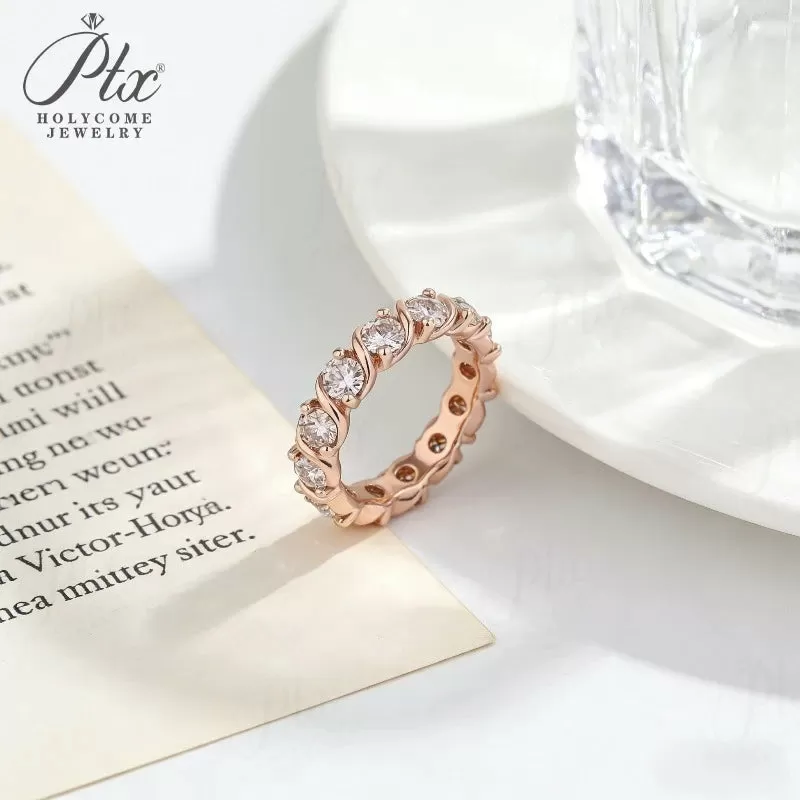
Cut stones and precious metals are transformed into finished jewelry:
- Design - CAD or hand-drawn designs
- Casting - Wax model, invested in plaster, melted metal poured in
- Setting - Stones set by hand or machine
- Polishing and plating - Final finishing
- Quality control - Inspection, sizing, certification
Major manufacturing hubs: China (Guangzhou, Shenzhen, Yiwu), India (Jaipur, Mumbai), Thailand (Bangkok), Italy (Vicenza). China is the largest producer, accounting for ~60pct of global jewelry manufacturing.
SECTION 04Stage 4: Wholesale Distribution
Finished jewelry moves through wholesale channels:
- Manufacturer direct - Selling directly to retailers (best value)
- Wholesale distributors - Buy in bulk, resell to retailers with markup
- Trade shows - JCK Las Vegas, Hong Kong Jewellery Show, VicenzaOro
- Online B2B platforms - Alibaba, Global Sources, direct manufacturer websites
SECTION 05Stage 5: Retail
Jewelry reaches consumers through brick-and-mortar stores, online retailers, direct-to-consumer brands, and marketplaces.
SECTION 06Markup at Each Stage
| Stage | Typical Markup | Example: 100 dollar Cost |
|---|---|---|
| Mining to cutting | 20-50pct | 120-150 |
| Cutting to manufacturing | 30-100pct | 156-300 |
| Manufacturing to wholesale | 50-100pct | 234-600 |
| Wholesale to retail | 100-300pct | 468-2400 |
A ring that costs 100 dollars to manufacture may retail for 500-2500 dollars depending on brand and distribution channel. Direct-to-consumer brands can offer lower prices by eliminating wholesale and retail markups.
SECTION 07How to Source Efficiently
- Buy direct from manufacturers to eliminate wholesale markup
- Attend trade shows to meet suppliers and compare quality
- Order samples first to verify quality before large orders
- Build long-term relationships for better pricing and priority service
- Consider MOQ - minimum order quantities affect per-unit cost
- Verify certifications - GIA/IGI for diamonds, conflict-free sourcing
SECTION 08Supply Chain Trends
- Transparency - Consumers demand ethical sourcing and traceability
- Lab-grown growth - Reduces reliance on mined diamonds
- Local manufacturing - Reshoring for faster turnaround
- Sustainability - Recycled metals, ethical gemstones
- Digitalization - 3D printing, virtual try-on, blockchain traceability
SECTION 09Frequently Asked Questions
What is the typical markup on jewelry?
Markups vary by channel: manufacturers add 50-100pct, wholesalers add 50-100pct, retailers add 100-300pct (keystone to 5x). A ring costing 100 dollars to make may retail for 500-2500 dollars. Direct-to-consumer brands eliminate middlemen and can offer 30-50pct lower prices.
Where is most jewelry manufactured?
China is the largest jewelry manufacturer, producing ~60pct of global jewelry, primarily in Guangzhou, Shenzhen, and Yiwu. Other major hubs include India (Jaipur, Mumbai), Thailand (Bangkok), Italy (Vicenza for fine jewelry), and Turkey (Istanbul). China offers the best combination of cost, capacity, and quality.
How can I buy jewelry directly from manufacturers?
The most effective ways are: (1) attend trade shows (JCK Las Vegas, Hong Kong Jewellery Show), (2) use B2B platforms (Alibaba, Global Sources), (3) search for manufacturers online and request quotes, (4) visit manufacturing hubs directly. Always order samples first and verify quality certifications.
What is the Kimberley Process?
The Kimberley Process Certification Scheme (KPCS) is an international agreement to prevent conflict diamonds from entering the legitimate market. It requires certification that rough diamonds are sourced from conflict-free areas. While it has reduced conflict diamond trade significantly, critics argue it does not fully address human rights issues. Always ask suppliers for Kimberley Process certificates.
More expert insights at HOLYCOME. Wholesale: service@holycome.com.
SECTION 10Related Articles
The Gemological Institute of America’s gem encyclopedia is an authoritative, widely cited reference on moissanite and diamond quality factors.
Related reading: The Jewelry Markup: Mine to Retail Pricing Explained, Jewelry Casting: The Lost-Wax Process Explained for Manufacturers, MOQ Explained: Minimum Order Quantities in Jewelry Wholesale.
Frequently Asked Questions
What is the typical markup on jewelry?
Where is most jewelry manufactured?
How can I buy jewelry directly from manufacturers?
What is the Kimberley Process?
Looking for Wholesale Jewelry?
Wuzhou HengliLai Jewelry Co., Ltd. - Professional gemstone and jewelry manufacturer in Wuzhou, China. OEM/ODM services, factory-direct pricing, low MOQ.
Contact on WhatsApp service@holycome.com