Diamond Setting Types: Prong, Bezel, Pave, and More Explained
The setting is the metal structure that holds a gemstone in place. The choice of setting dramatically affects a ring appearance, stone security, light performance, and price. This guide covers every major setting type.
SECTION 01Prong Setting
The most common setting, using 4-6 metal claws that grip the stone. Prongs minimize metal coverage, maximizing light entry and brilliance. The classic solitaire engagement ring uses a prong setting.
- Pros - Maximum light exposure, easy to clean, classic look, lower cost
- Cons - Prongs can catch on clothing, wear down over time, less protection
- Best for - Solitaire engagement rings, pendants, earrings
- Prong count - 4 prongs shows more stone; 6 prongs is more secure
SECTION 02Bezel Setting
A thin metal rim surrounds the stone, holding it securely. Bezel settings offer maximum protection and a modern, sleek look. They are ideal for active lifestyles and softer gemstones.
- Pros - Very secure, protects stone edges, modern look, no snagging
- Cons - Covers more of the stone, more metal equals higher cost, harder to resize
- Best for - Active wearers, softer stones (emerald, opal), modern designs
SECTION 03Pave Setting
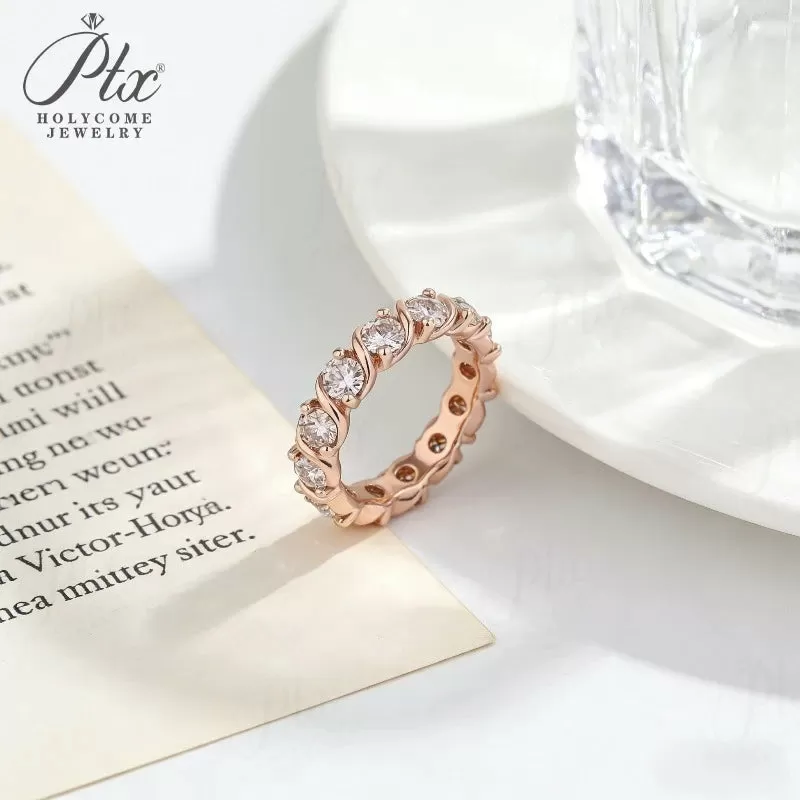
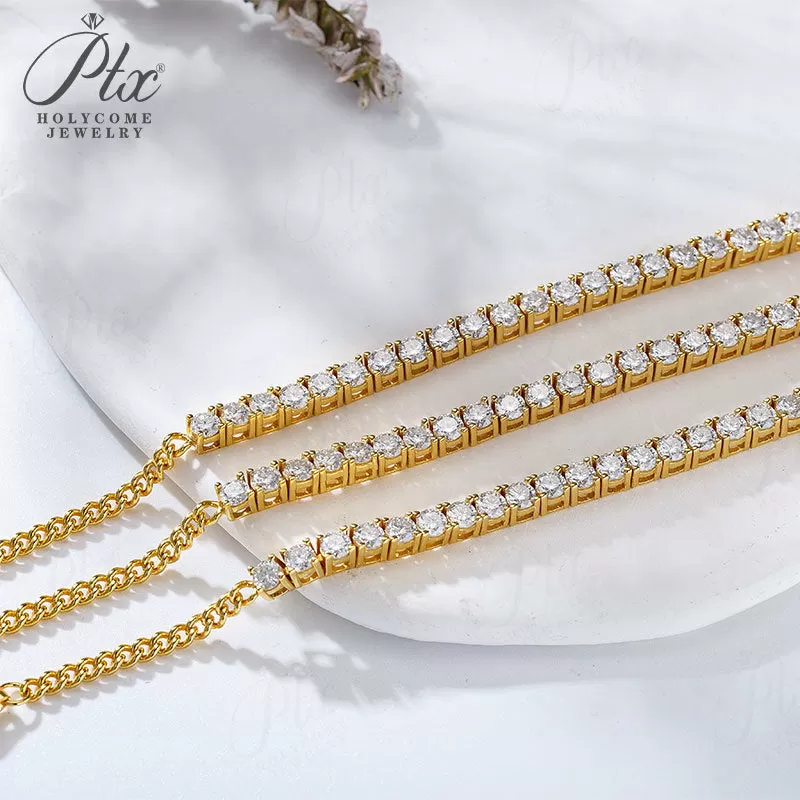
Small stones are set close together with tiny prongs or beads, creating a paved surface of sparkle. Pave settings add brilliance and make a center stone appear larger.
- Pros - Maximum sparkle, makes center stone look larger, luxurious appearance
- Cons - Small stones can fall out, harder to clean, prongs can catch
- Best for - Engagement ring bands, halo settings, wedding bands
SECTION 04Channel Setting
Stones are set between two metal walls, with no prongs visible. Channel settings are very secure and have a smooth, clean appearance.
- Pros - Very secure, smooth surface, modern look
- Cons - Less light reaches stones, harder to resize
- Best for - Wedding bands, mens rings, stackable bands
SECTION 05Tension Setting
The stone is held by pressure from the metal band itself, with no prongs or bezel. The stone appears to float, creating a dramatic, modern look.
- Pros - Unique floating appearance, maximum light exposure, modern design
- Cons - Limited stone sizes, cannot be resized, requires precise engineering
- Best for - Modern engagement rings, statement pieces
SECTION 06Halo Setting
A circle of small stones surrounds the center stone, making it appear larger and adding brilliance. Halo settings are one of the most popular engagement ring styles.
- Pros - Makes center stone look larger, adds sparkle, hides edge inclusions
- Cons - More stones equals higher cost, halo stones can fall out
- Best for - Smaller center stones, vintage-inspired designs, maximum sparkle
SECTION 07Other Setting Types
| Setting | Description | Best For |
|---|---|---|
| Three-stone | Three stones representing past/present/future | Symbolic engagement rings |
| Bar | Stones separated by metal bars | Wedding bands, modern |
| Flush/Gypsy | Stone set level with metal surface | Mens rings, casual |
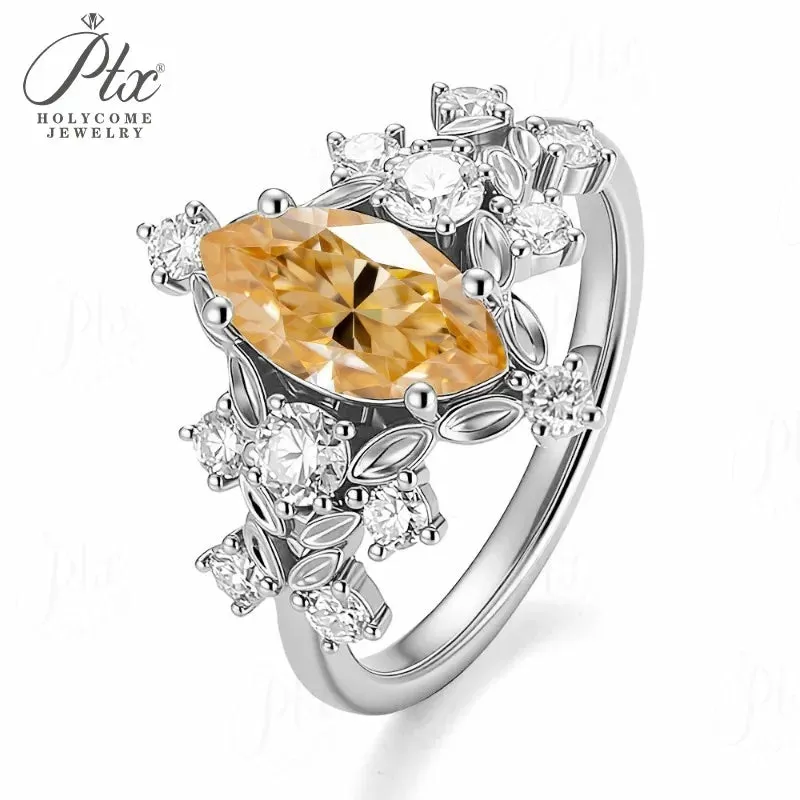
| Cluster | Group of small stones creating larger look | Vintage, statement |
| Solitaire | Single stone, no side stones | Classic engagement |
| Cathedral | Metal arches lift the stone | Vintage, elegant |
SECTION 08Setting Choice by Lifestyle
| Lifestyle | Recommended Setting | Reason |
|---|---|---|
| Active/athletic | Bezel, channel | Secure, no snagging |
| Classic/traditional | Prong solitaire | Timeless, maximum brilliance |
| Modern/minimalist | Tension, bezel | Sleek, unique |
| Vintage/romantic | Halo, cluster, cathedral | Ornate, detailed |
| Budget conscious | Prong, channel | Lower metal cost |
| Soft gemstones | Bezel, halo | Protects stone edges |
SECTION 09Setting and Price
Setting cost varies significantly: prong settings are least expensive (50-200 dollars labor), bezel and tension are most expensive (200-500+ dollars labor) due to precise metalwork. Pave and halo settings add cost for additional stones. The setting can account for 20-50% of the total ring cost.
SECTION 10Frequently Asked Questions
What is the most secure ring setting?
Bezel and channel settings are the most secure, as the metal fully surrounds or protects the stone. Prong settings, while beautiful, are less secure because prongs can wear down or bend over time. For active lifestyles or softer gemstones, bezel settings are the safest choice.
Which setting makes a diamond look biggest?
Halo settings make a center stone appear largest by surrounding it with small stones that create the illusion of a larger center. A 0.5ct stone in a halo can look like a 1ct solitaire. Cathedral settings also lift the stone, making it appear larger.
Can any setting be resized?
Most prong, bezel, and pave settings can be resized 1-2 sizes. Tension settings generally cannot be resized because the pressure fit is precisely calibrated. Eternity bands (stones all around) also cannot be resized. Always check resizability before purchasing.
How often should prongs be checked?
Prongs should be inspected by a jeweler every 6-12 months. Over time, prongs wear down from daily contact, and a worn prong can cause stone loss. Re-tipping costs 20-40 dollars per prong and is far cheaper than replacing a lost diamond.
More expert insights at HOLYCOME. Wholesale: service@holycome.com.
SECTION 11Related Articles
- Sustainable Jewelry Manufacturing: Ethical and Eco-Friendly Practices
- How Diamonds Are Cut and Polished: From Rough to Brilliant
The history and conventions of engagement rings are outlined in the Wikipedia entry on engagement rings.
Related reading: Diamond 4Cs Explained: Color, Clarity, Cut, and Carat Weight Guide, GIA Diamond Report: Every Section Explained, NGTC Certificate: China's Diamond Lab Explained.
Frequently Asked Questions
What is the most secure ring setting?
Which setting makes a diamond look biggest?
Can any setting be resized?
How often should prongs be checked?
Looking for Wholesale Jewelry?
Wuzhou HengliLai Jewelry Co., Ltd. - Professional gemstone and jewelry manufacturer in Wuzhou, China. OEM/ODM services, factory-direct pricing, low MOQ.
Contact on WhatsApp service@holycome.com