How to Clean Gemstone Jewelry by Stone Type: A Complete Reference
Different gemstones require different cleaning methods based on their hardness, porosity, and treatments. Using the wrong method can permanently damage a gemstone. This reference guide covers safe cleaning for every common gemstone type.
SECTION 01Cleaning Method Categories
| Method | Description | Safe For |
|---|---|---|
| Soap + water | Mild dish soap, warm water, soft brush | Most gems |
| Ultrasonic | High-frequency vibration bath | Hard, untreated gems only |
| Steam | High-pressure hot steam | Hard gems, solid settings |
| Polishing cloth | Impregnated cloth for metal | Metal settings only |
| Dry cloth | Soft microfiber wipe | All gems (post-wear) |
SECTION 02Hard Gemstones (Safe for Ultrasonic and Steam)
Diamond, moissanite, sapphire, ruby, and alexandrite are hard (8.5+ Mohs) and generally safe for ultrasonic and steam cleaning, provided they are not fracture-filled or have loose settings.
- Diamond - Safe for all methods. Diamonds attract grease; clean regularly with soap and water or ultrasonic.
- Moissanite - Safe for all methods. More brilliant than diamond; clean to maintain fire.
- Sapphire/Ruby - Safe for all methods EXCEPT fracture-filled stones (rare). Heat-treated sapphires are stable.
- Alexandrite - Safe for soap and water; ultrasonic with caution (some inclusions).
SECTION 03Medium-Hard Gemstones (Soap and Water Only)
Emerald, aquamarine, morganite, amethyst, citrine, garnet, peridot, and tanzanite should be cleaned only with mild soap and warm water. Avoid ultrasonic and steam.
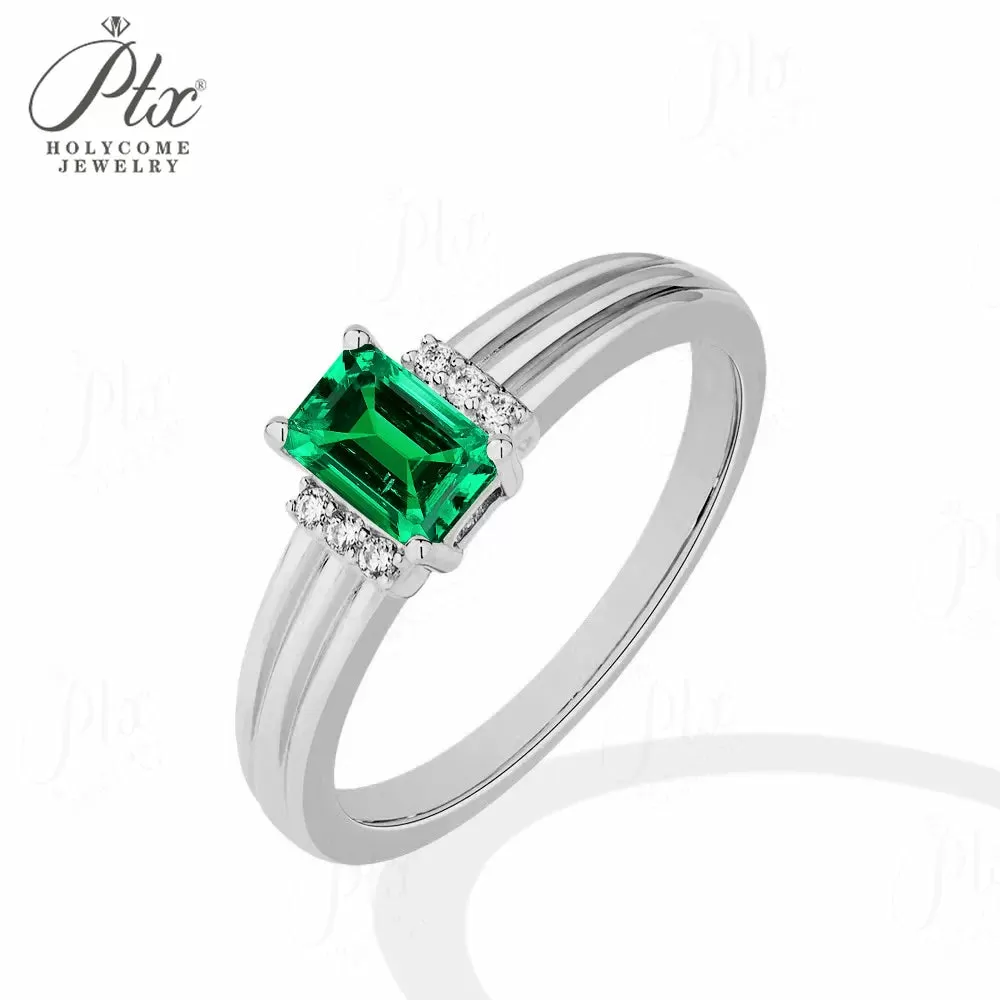
- Emerald - Soap and water ONLY. Never ultrasonic or steam (removes oil treatment).
- Aquamarine - Soap and water. Ultrasonic generally safe but not necessary.
- Morganite - Soap and water. Avoid ultrasonic (can damage included stones).
- Amethyst/Citrine - Soap and water. Avoid prolonged heat (can fade color).
- Garnet - Soap and water. Some garnets are sensitive to ultrasonic.
- Tanzanite - Soap and water ONLY. Heat and acid can cause color change.
- Peridot - Soap and water. Sensitive to acid and heat.
SECTION 04Soft and Porous Gemstones (Extreme Care)
Opal, pearl, turquoise, lapis lazuli, coral, amber, and jade require the gentlest care. Never use ultrasonic, steam, or chemicals.
- Opal - Wipe with damp cloth only. Never soak (water can enter fractures). No ultrasonic/steam.
- Pearl - Wipe with damp cloth after wear. Mild soap occasionally. Never soak or ultrasonic.
- Turquoise - Wipe with soft dry cloth. Never water or chemicals (porous, absorbs).
- Lapis lazuli - Soft dry cloth only. Often dyed or waxed; water can damage.
- Coral - Soft dry cloth. Acid (even sweat) can etch surface.
- Amber - Soft dry cloth. Sensitive to heat, chemicals, and ultrasonic.
- Jade - Damp cloth only. Some jade is dyed or impregnated.
SECTION 05Quick Reference Chart
| Gemstone | Soap+Water | Ultrasonic | Steam | Notes |
|---|---|---|---|---|
| Diamond | Yes | Yes | Yes | Grease-loving, clean often |
| Moissanite | Yes | Yes | Yes | Very durable |
| Sapphire/Ruby | Yes | Yes | Yes | Avoid if fracture-filled |
| Emerald | Yes | NO | NO | Oil treatment sensitive |
| Opal | Damp wipe | NO | NO | Never soak |
| Pearl | Damp wipe | NO | NO | Never soak |
| Turquoise | Dry cloth | NO | NO | Porous, never water |
| Amethyst | Yes | Caution | NO | Heat fades color |
| Tanzanite | Yes | NO | NO | Heat/acid sensitive |
| Aquamarine | Yes | Yes | Caution | Generally durable |
SECTION 06General Cleaning Rules
- Always check for loose stones before cleaning
- Use mild dish soap (not anti-bacterial or moisturizing)
- Use a soft toothbrush dedicated to jewelry
- Rinse thoroughly (use a strainer to prevent loss)
- Pat dry with lint-free cloth, air dry completely
- When in doubt, use only a soft dry cloth
- Have valuable pieces professionally cleaned annually
SECTION 07Commercial Jewelry Cleaners
Most commercial jewelry cleaners contain ammonia or alcohol and are safe for diamonds, sapphires, and rubies but can damage emeralds, opals, pearls, turquoise, and organic gems. Read labels carefully. When in doubt, use soap and water - it is safe for almost all gemstones and is effective for everyday cleaning.
SECTION 08Frequently Asked Questions
Can I use the same cleaner for all my jewelry?
No. Diamonds and sapphires can handle commercial cleaners and ultrasonic, but emeralds, opals, pearls, and turquoise can be permanently damaged by the same products. Use mild soap and water for all pieces - it is safe for every gemstone and effective for everyday cleaning. Reserve ultrasonic/steam for hard gems only.
How do I clean jewelry with multiple gemstones?
If a piece contains multiple gemstone types, use the safest method that applies to the most delicate stone. For example, a ring with both diamond and emerald should be cleaned only with soap and water (the emerald-safe method), even though the diamond could handle ultrasonic. Always clean to the lowest common denominator.
Is it safe to clean gemstone jewelry in an ultrasonic?
Only for hard, untreated gemstones: diamonds, moissanite, sapphires, rubies, and aquamarine. Never use ultrasonic for emeralds (removes oil), opals (can crack), pearls (destroys nacre), turquoise (porous), tanzanite (heat sensitive), or any fracture-filled stone. When in doubt, use soap and water.
Why can't I clean emeralds with commercial jewelry cleaner?
Most commercial cleaners contain ammonia or alcohol, which can dissolve or cloud the cedarwood oil used to treat virtually all emeralds (95-99%). Once the oil is removed, inclusions become visible and the stone appears cloudy. Clean emeralds only with mild dish soap and warm water, and have them re-oiled every 3-5 years.
More expert guides at HOLYCOME. Wholesale: service@holycome.com.
SECTION 09Related Articles
- Travel Jewelry Care: Packing & Protection Tips | Care Guide
- Mohs Scale Gemstone Cleaning Precautions - HOLYCOME
Independent background on moissanite — how its hardness and refractive index compare with diamond — is documented in the Wikipedia article on moissanite.
Related reading: Jewelry Size Chart: A Complete Reference for Every Type of Jewelry, Gemstone Storage Guide: How to Store Every Type of Jewelry Safely, 925 Sterling Silver: The Complete Guide for Jewelry Manufacturers.
Frequently Asked Questions
Can I use the same cleaner for all my jewelry?
How do I clean jewelry with multiple gemstones?
Is it safe to clean gemstone jewelry in an ultrasonic?
Why can't I clean emeralds with commercial jewelry cleaner?
Looking for Wholesale Jewelry?
Wuzhou HengliLai Jewelry Co., Ltd. - Professional gemstone and jewelry manufacturer in Wuzhou, China. OEM/ODM services, factory-direct pricing, low MOQ.
Contact on WhatsApp service@holycome.com