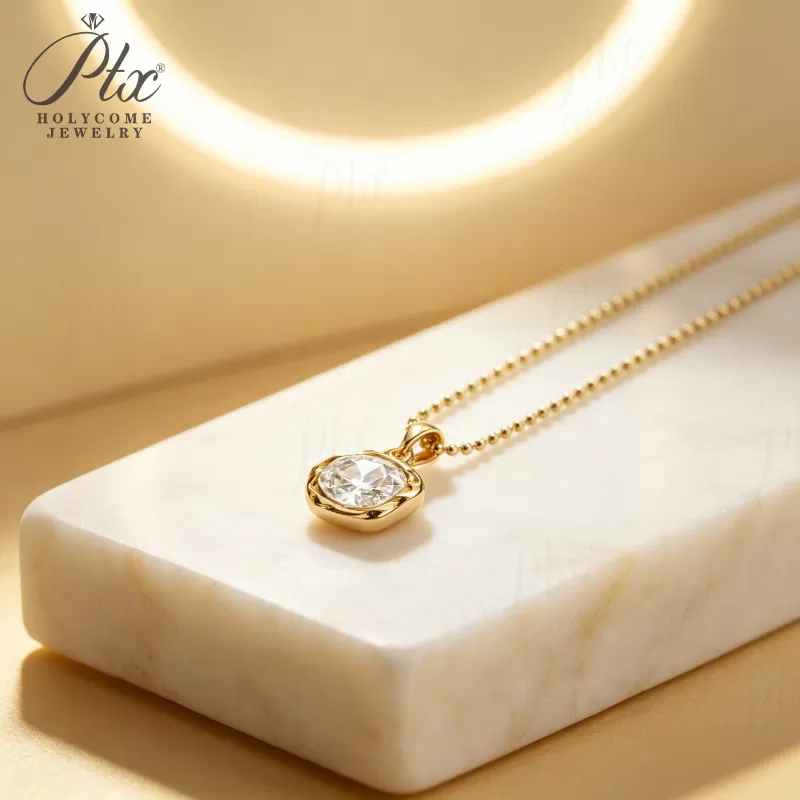
Comparisons: Reading a Certificate: What the Report Says and What It Does Not - HOLYCOME
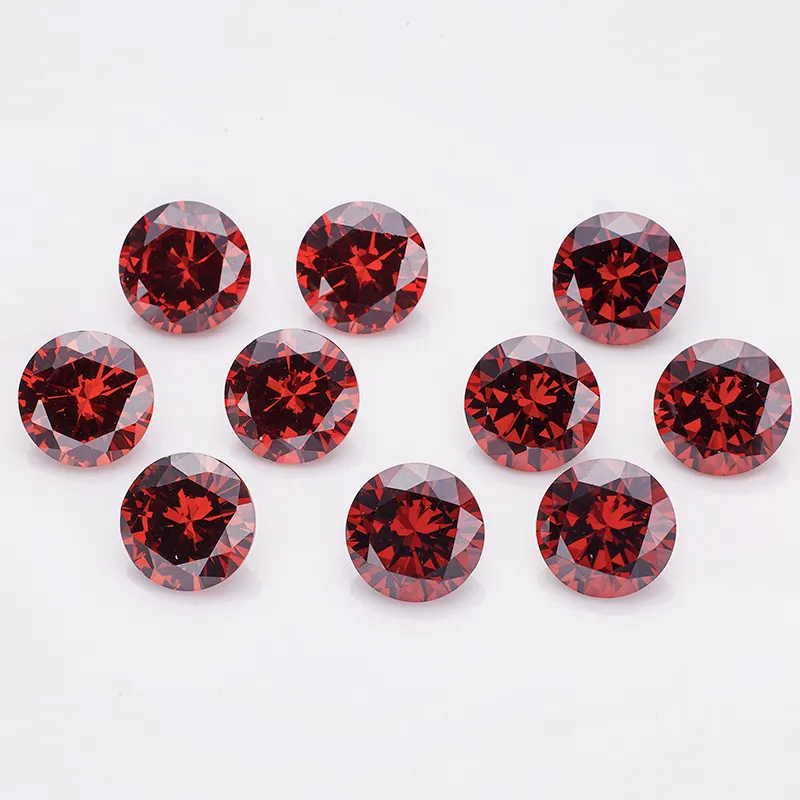
A grading report on Comparisons describes one stone, not the whole piece. Buyers who read the report as a product certificate end up making claims the document cannot support.
SECTION 01The five sections of a report
Identification, measurements, grading, comments and the security features. On Comparisons, the comments section is the one that matters most, because it states treatments and growth method.
If the report says the stone was grown, the listing must say lab grown. That is not optional.
Build the landing date from ship date plus transit plus clearance. Planning from the ship date alone makes every season a week late.
SECTION 02What a report does not cover
The metal, the plating, the setting quality and the craftsmanship are outside the report. A report on the stone says nothing about whether the prong will hold.
On Comparisons, that gap is where most overstatement happens: sellers quote the stone grade as a product grade.
| Report section | Covers | Listing use |
|---|---|---|
| Identification | Stone type, weight | Type and weight |
| Measurements | Dimensions | Size claim |
| Grading | Colour, clarity, cut | Grade claim |
| Comments | Treatment, growth | Disclosure |
| Security | Number, features | Verification |
Read the table as a checklist rather than a recommendation. The right row depends on the price band, the wear pattern and the channel you sell into.
Set the reorder point from sell-through and lead time, not from the MOQ. Stock cover is a calculation, not a feeling.
SECTION 03Verifying a report number
Go to the issuing lab's site and enter the number. Check the weight and the measurements against the invoice. A number that does not resolve is worse than no number.
Photograph the report and the stone together at approval. That pair is the record.
SECTION 04Using the report in a listing
Quote the grade the report states, name the lab, and state the report number. Do not extend the grade to the metal or to the whole piece.
That discipline is what keeps a Comparisons listing defensible when a customer or a platform asks for evidence.
Price moves with three inputs: alloy, stone and plating. A quote that holds for ninety days is a quote that has priced those three honestly.
SECTION 05What to check before the order
Run the five checks below in order. The first two protect the money, the last three protect the launch date.
- Read the comments section first.
- Verify the number on the lab site.
- Quote only what the report states.
- Do not extend a stone grade to the metal.
- Keep a photo of the report with the stone.
If a supplier cannot answer three of the five, treat the quote as a starting point rather than a plan. Ask again in writing and keep the answer with the PO.
SECTION 06Frequently Asked Questions
Does a certificate cover the whole Comparisons piece?
No. It covers the stone. The metal, plating and setting are outside the report.
What is the comments section for?
Treatments and growth method. It is the section that decides what the listing must disclose.
How do I verify a report?
Enter the number on the issuing lab's verification page and compare the weight and measurements to the invoice.
Can I quote the grade as a product grade?
No. Quote it as the stone grade, with the lab and the number.
What if the stone has no report?
State the type and the grade you can defend, and do not claim a grading you cannot evidence.
What belongs in the first email to a new supplier?
Spec, quantity, target price, delivery date and the QC standard. Five lines get a useful reply.
Send the Comparisons report you hold. We return a plain-language reading of what it supports and the exact listing wording. See the full range at Comparisons and HOLYCOME.
None of this is exotic. It is a document, a measurement and a date, repeated until it becomes a process.
Looking for Wholesale Jewelry?
Wuzhou HengliLai Jewelry Co., Ltd. - Professional gemstone and jewelry manufacturer in Wuzhou, China. OEM/ODM services, factory-direct pricing, low MOQ.
Contact on WhatsApp service@holycome.com