Trends & Styles Wholesale: sourcing checklist
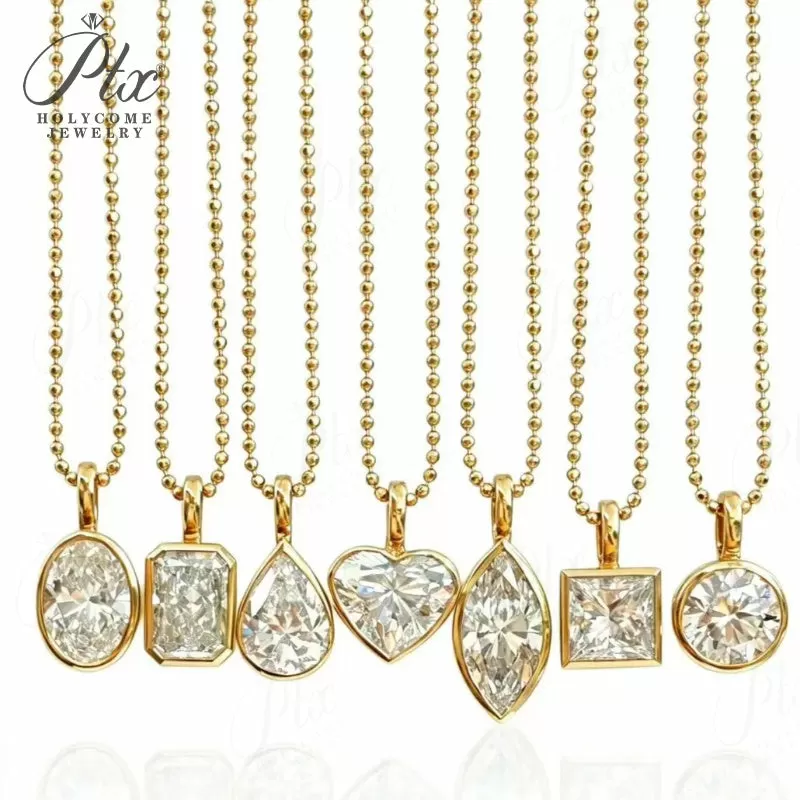
SECTION 01Wholesale Trends & Styles: A Practical Sourcing Checklist for Moissanite Jewelry Buyers
Staying current with jewelry Trends & Styles while protecting margins comes down to one thing: a disciplined sourcing checklist. Buyers who chase every viral style without vetting suppliers, materials, and logistics end up with slow-moving inventory and thin profits. Buyers who work through a structured checklist, covering style validation, metal selection, stone certification, quality control, payment terms, and shipping timelines, can add trend-forward moissanite pieces to their catalog with confidence.
This article walks through each step of that checklist so you can evaluate a supplier and a style before committing capital.
SECTION 02Step One: Validate the Style Before You Order
Trend research is not guesswork. Start by checking what is actually selling in your own market segment, not just what appears on social media. Look at search volume for specific style names, review bestseller lists of competitors in your price tier, and talk to your retail customers about what they are being asked for. A style that dominates in one region may barely move in another.
Separate Micro-Trends From Lasting Styles
Some styles have staying power: tennis bracelets, solitaire pendants, and classic round or oval engagement settings move year after year. Others, such as unusual stone shapes or bold statement formats, tend to run in shorter cycles. A practical rule is to weight your inventory toward proven silhouettes and use trend-driven pieces as a smaller, faster-turning portion of your order. When a micro-trend performs, reorder quickly; when it stalls, you have limited exposure.
Check the Supplier's Range Against the Trend
Not every manufacturer can execute every trend well. If the trend calls for pavé detailing, ask for close-up photos of their pavé work under magnification. If it calls for larger center stones, confirm the largest carat sizes they stock and how loose stones are priced by the carat. A supplier with a broad catalog makes it easier to test multiple Trends & Styles from one production source, which simplifies logistics and communication.
SECTION 03Step Two: Confirm Materials and Metal Names
This is where many wholesale deals go wrong. Ask the supplier to state the exact metal for every style in writing. Legitimate options include 925 sterling silver, 10K, 14K, or 18K solid gold, gold vermeil, and gold plated finishes. Each has a different cost structure and a different customer expectation, and each should be labeled accurately on your invoices and product listings.
Moissanite itself is a lab-created diamond alternative. It should never be marketed as a natural or real diamond, and your supplier's product descriptions should make that clear. Getting the naming right protects you from customer disputes, returns, and marketplace penalties, especially on platforms with strict listing policies.
Match Metal Choice to Your Price Tier
For entry-level trend pieces, 925 sterling silver with gold plating keeps unit costs low and lets you test a style quickly. Gold vermeil offers a thicker precious-metal layer for mid-tier positioning. Solid 14K or 18K gold suits higher-price collections where the customer expects durability and long-term wear. Decide in advance which tier each trend style belongs to, and ask your supplier for pricing per piece or per carat depending on the item so you can model margins accurately.
SECTION 04Step Three: Review Stone Certification and Quality Documents
Graded stones should come with documentation. Ask whether the moissanite you are buying is accompanied by GRA or IGI papers, and confirm which grades apply to which styles. Certification matters most for solitaires and larger center stones, where a customer is more likely to want documented quality. For small pavé stones, documentation is less common, but consistency of cut and color across the batch still needs to be verified through samples.
Request certificates before signing any order confirmation, not after. If a supplier hesitates to provide GRA or IGI paperwork for graded stones, treat that as a signal to slow down. Documented grading also gives you selling points for your own listings and reduces questions at the retail counter.
SECTION 05Step Four: Understand Minimums, Samples, and Production Timelines
Ordering structure matters as much as style selection. Check where the supplier's minimum order quantity sits before you build a trend assortment around them. A workable structure for trend testing looks like this:
- Stock styles: minimum order of 1 piece, which lets you trial a new style with very little capital at risk
- Custom work: minimum order of 30 pieces, appropriate once a trend has proven demand in your market
- Loose stones: sold by the carat, useful for custom settings or building your own assortments
Timeline planning is the other half of this step. Sampling takes 7 to 10 days, and bulk production runs 15 to 25 days after approval. Work backward from your launch dates: if you want a trend piece on your shelves before a holiday season, place the sample request early enough to absorb two rounds of revisions. Build the approval loop, sample time, and production time into your buying calendar rather than treating them as afterthoughts.
Use Samples as a Trend Filter
Sample orders are the lowest-cost way to judge whether a trend style will work for your customers. Order samples of two or three variations of a trend, compare them side by side under retail lighting, and show them to a few trusted customers or staff before committing to bulk. Sample orders are typically paid through PayPal, which keeps the transaction simple while you evaluate the supplier on real product rather than catalog images.
SECTION 06Step Five: Verify Quality Control at Three Stages
Consistency separates a reliable trend supplier from a one-time good shipment. Ask potential partners to describe their quality control process in detail. A strong operation checks quality at three stages:
- Incoming inspection of materials and stones before production begins
- In-process checks during setting, plating, and assembly
- Pre-ship AQL inspection on finished, packed goods
The pre-ship AQL inspection is the stage you should ask about most closely, because it is your last checkpoint before goods leave the factory. Request the AQL level they apply and whether third-party inspectors are used. For trend pieces with intricate detailing, such as hidden halos or fine pavé, in-process checks matter even more, since defects caught mid-production are cheaper to fix than defects found at final inspection or, worse, by your customers.
SECTION 07Step Six: Confirm Payment Terms and Shipping Logistics
Before you finalize a trend assortment, confirm two practical details that affect cash flow and delivery promises. On payments, the standard structure for bulk orders is T/T with a 30 percent deposit and the 70 percent balance before shipment. Sample orders run through PayPal. Agree on these terms in writing so production scheduling is not delayed by payment friction.
On shipping, ask whether the supplier offers DDP delivery to the US. DDP means duties and clearance are handled on the supplier side, and delivery takes 5 to 8 days. For trend inventory, where timing drives sales, a predictable 5 to 8 day DDP window makes it far easier to promise restock dates to your retail partners than navigating customs yourself.
| Checklist Item | What to Confirm | Typical Detail |
|---|---|---|
| Order minimums | Stock versus custom | 1 piece stock, 30 pieces custom |
| Sampling | Timeline and payment | 7 to 10 days, PayPal for samples |
| Bulk production | Lead time after approval | 15 to 25 days |
| Certification | Graded stone papers | GRA or IGI documentation |
| Delivery | US shipping terms | DDP, 5 to 8 days |
Keep this table with your buying records and run through it for every new trend supplier and every new style category. The checklist takes minutes to complete and prevents the most common wholesale mistakes: wrong metal labeling, undocumented stones, unrealistic timelines, and surprise customs costs.
Order Terms for Wholesale Buyers
MOQ is 1 piece for stock styles and 30 pieces for custom work, and loose stones are sold by the carat. Sampling takes 7 to 10 days, and bulk production runs 15 to 25 days after the sample is approved. Pricing is quoted per piece or per carat depending on the item. Payment is T/T with a 30% deposit and the 70% balance before shipment, and PayPal is accepted for sample orders.
SECTION 08Frequently Asked Questions
How do I test a new trend style without overcommitting capital?
Order a single piece of a stock style, since the minimum is 1 piece for stock designs. Evaluate it in your market, and if it sells, move to a bulk order. Custom work requires 30 pieces, so reserve it for trends with demonstrated demand.
Should I choose moissanite in silver or solid gold for trend pieces?
Match the metal to your price tier. 925 sterling silver with plating suits fast-turning entry-level trends, while 10K, 14K, or 18K solid gold fits higher-price collections. Gold vermeil sits between the two for mid-tier positioning.
What paperwork should come with graded moissanite stones?
Graded stones should arrive with GRA or IGI papers. Confirm the grading documents before you sign the order confirmation, and verify that certificate numbers match the goods at pre-ship inspection.
How long does a full trend order take from sample to delivery?
Sampling takes 7 to 10 days, bulk production takes 15 to 25 days after approval, and DDP delivery to the US takes 5 to 8 days. Plan roughly six to seven weeks from sample request to stock on hand, allowing extra time for revisions.
What payment terms should I expect on a wholesale moissanite order?
Bulk orders run on T/T with a 30 percent deposit and the 70 percent balance before shipment. Sample orders are paid through PayPal. Confirm both in writing before production begins.
Build Your Trend Assortment With a Supplier Who Meets the Checklist
A sourcing checklist only works if your supplier can answer every line of it with specifics: exact metal names, GRA or IGI papers for graded stones, a three-stage QC process ending in pre-ship AQL inspection, clear minimums of 1 piece for stock styles and 30 pieces for custom work, and DDP delivery to the US in 5 to 8 days.
When you are ready to put the checklist to work, browse the current catalog of moissanite styles on our wholesale moissanite jewelry collection, learn how our production and quality control operation is set up on our company overview page, and start a sample request or custom order through our wholesale inquiry form.
Sources: Grading references: GIA gem education and GIA laboratory information.
Frequently Asked Questions
How do I test a new trend style without overcommitting capital?
Should I choose moissanite in silver or solid gold for trend pieces?
What paperwork should come with graded moissanite stones?
How long does a full trend order take from sample to delivery?
What payment terms should I expect on a wholesale moissanite order?
Build Your Trend Assortment With a Supplier Who Meets the Checklist
Looking for Wholesale Jewelry?
Wuzhou HengliLai Jewelry Co., Ltd. - Professional gemstone and jewelry manufacturer in Wuzhou, China. OEM/ODM services, factory-direct pricing, low MOQ.
Contact on WhatsApp service@holycome.com