Sizing Guide: Stones Explained: Grades, Cuts and What They Change - HOLYCOME
Stone language moves faster than stone quality. 'D colour', 'excellent cut', 'VVS' are grading terms with defined meanings, and using them loosely on Sizing Guide is how a listing overstates.
SECTION 01Colour and clarity, in plain terms
Colour grades run from D, colourless, down the alphabet as tint increases. Clarity grades run from flawless to included, and the visible difference on Sizing Guide usually appears around VS to SI.
On a 6 mm stone, an SI inclusion can be invisible to the eye. On a 9 mm stone, the same grade can be visible. Size changes what a grade means.
Ask for the mill certificate and the stone invoice. Two documents turn a material claim into something an auditor can check.
SECTION 02Cut: the variable that decides sparkle
Cut is about proportion, symmetry and polish. A well cut stone returns light; a deep or shallow stone leaks it. This is why two stones of the same colour and clarity can look different.
On Sizing Guide, cut is the grade most worth paying for and the one most often left unstated.
| Term | Range | Visible effect | Price effect |
|---|---|---|---|
| Colour | D to K | Tint at the edges | Large |
| Clarity | FL to I | Inclusions at size | Large |
| Cut | Excellent to fair | Sparkle and life | Large |
| Shape | Round to fancy | Setting and look | Moderate |
Read the table as a checklist rather than a recommendation. The right row depends on the price band, the wear pattern and the channel you sell into.
Set the reorder point from sell-through and lead time, not from the MOQ. Stock cover is a calculation, not a feeling.
SECTION 03Shape and setting
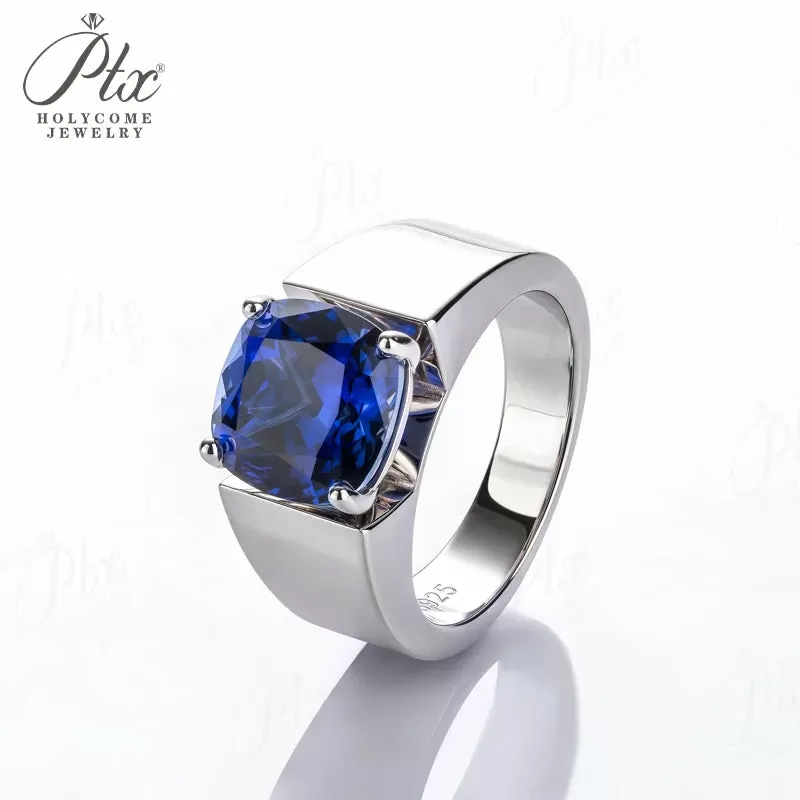
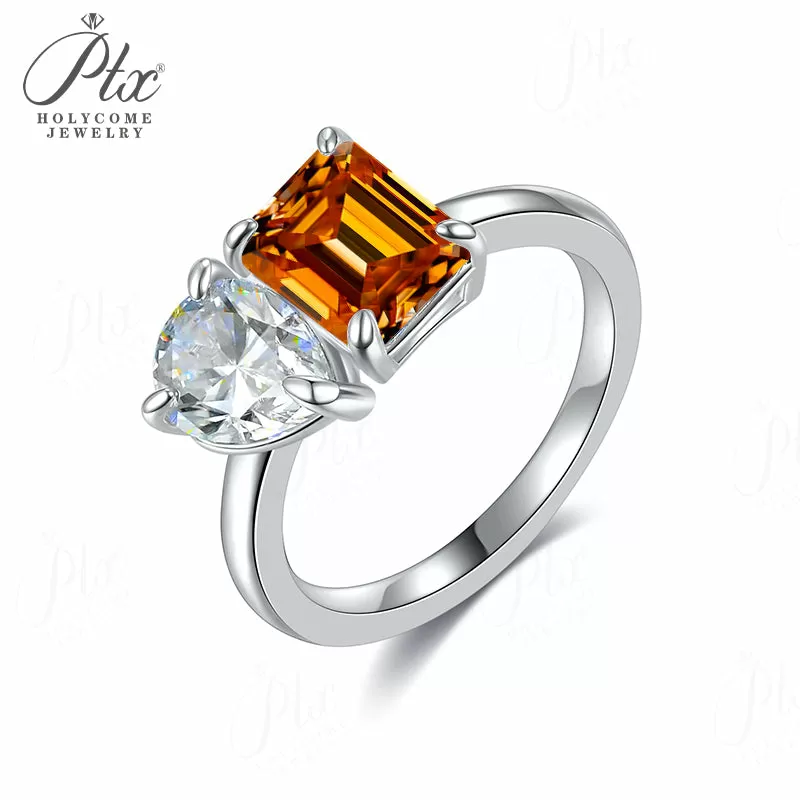
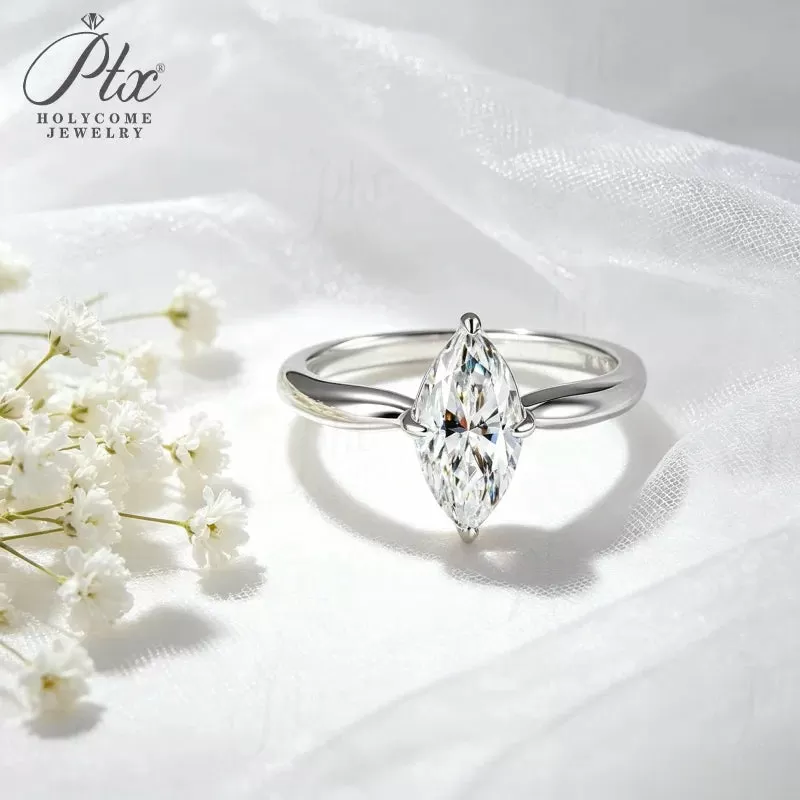
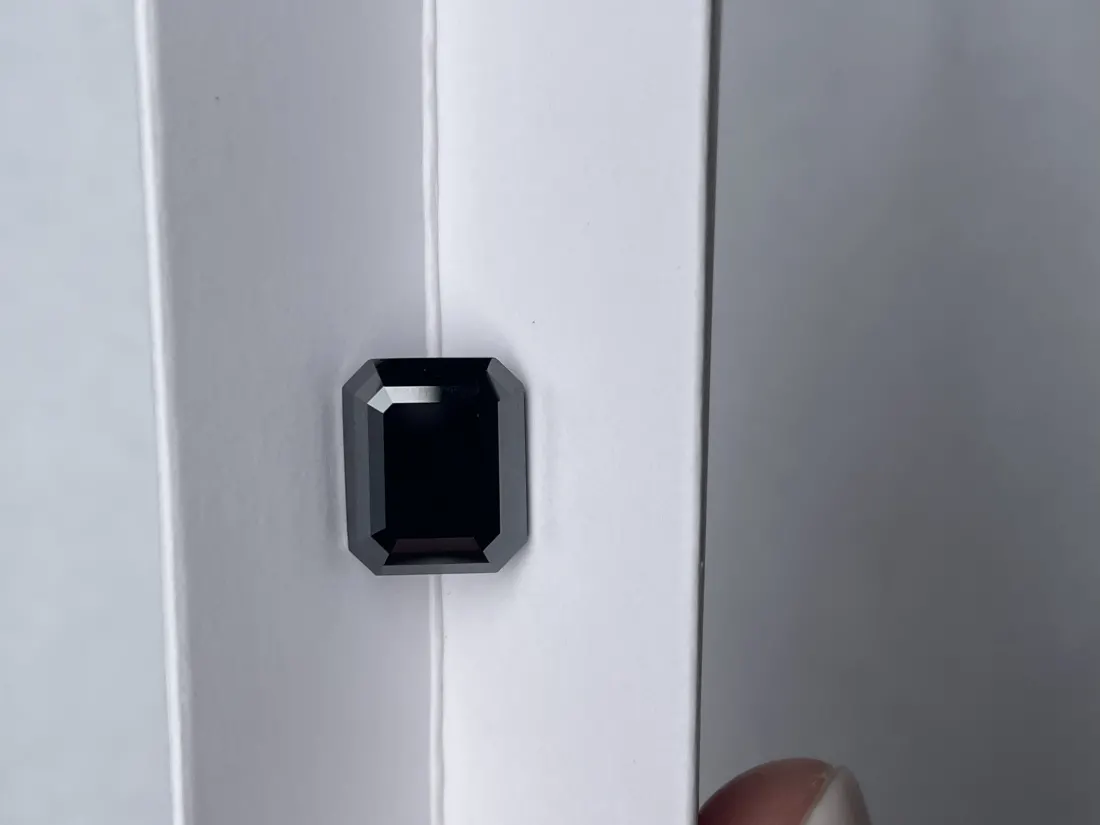
Round, oval, pear, emerald and cushion each need a different seat and prong layout. A setting built for a round stone will not hold a pear cleanly.
Match the setting to the shape in the spec, and photograph the seat.
SECTION 04Writing a stone specification
Six fields: type, shape, size in millimetres, colour grade, clarity grade and cut. Add the certificate number where one exists.
That is the difference between a Sizing Guide listing that survives a question and one that does not.
The channel decides the tolerance. A boutique forgives a loupe mark; a marketplace does not. Build the inspection standard to the strictest channel you sell.
SECTION 05What to check before the order
Run the five checks below in order. The first two protect the money, the last three protect the launch date.
- State colour and clarity as grades, not adjectives.
- State the cut, which is the sparkle variable.
- Match setting to stone shape.
- Record size in millimetres.
- Add the certificate number where it exists.
If a supplier cannot answer three of the five, treat the quote as a starting point rather than a plan. Ask again in writing and keep the answer with the PO.
SECTION 06Frequently Asked Questions
What stone grades matter for Sizing Guide?
Cut first, then colour, then clarity. Cut decides how the stone looks; colour and clarity decide how clean it looks at size.
Is SI clarity good enough?
Often yes at small sizes. At larger sizes the inclusion can become visible, so the grade has to be matched to the size.
Why do two stones of the same grade look different?
Cut and proportion. A deep stone leaks light even at a good colour grade.
Does shape affect the setting cost?
Yes. Fancy shapes need a matched seat and more bench time than a round.
How do I specify a stone so the lot matches?
Six fields plus a reference photo of the approved stone next to a ruler.
What belongs in the first email to a new supplier?
Spec, quantity, target price, delivery date and the QC standard. Five lines get a useful reply.
Send the Sizing Guide stone requirement. We return a six-field specification with a reference photo protocol for every lot. See the full range at Sizing Guide and HOLYCOME.
Buyers who get consistent lots are not luckier. They wrote the spec down and checked the first carton against it.
Looking for Wholesale Jewelry?
Wuzhou HengliLai Jewelry Co., Ltd. - Professional gemstone and jewelry manufacturer in Wuzhou, China. OEM/ODM services, factory-direct pricing, low MOQ.
Contact on WhatsApp service@holycome.com