Rose Gold Jewelry: Composition, Trends, and Manufacturing Guide
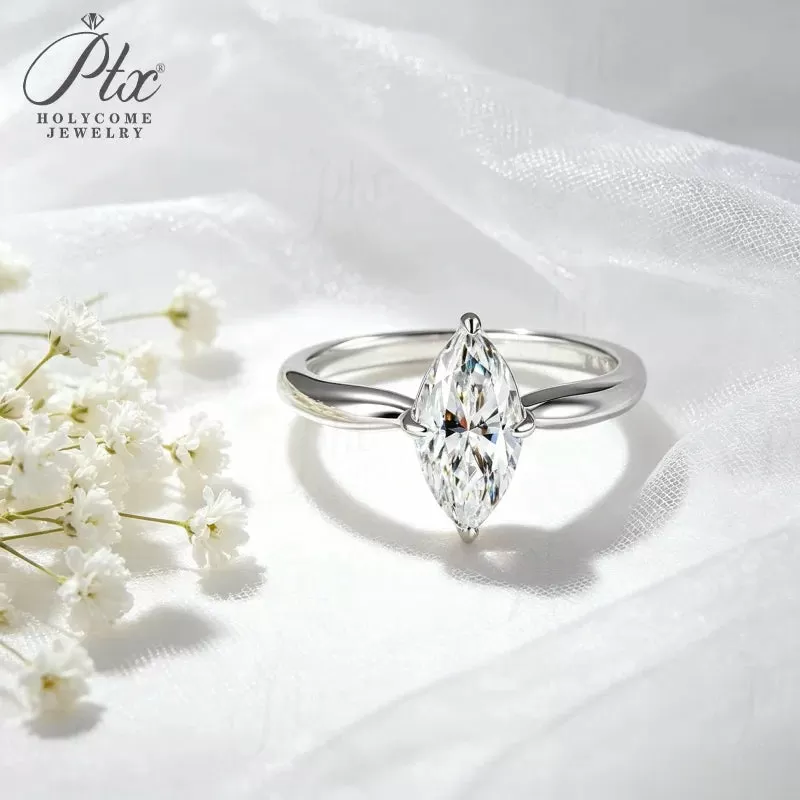
Rose gold has become one of the most popular jewelry colors of the past decade, driven by its warm, romantic hue and flattering effect on all skin tones. From engagement rings to fashion bracelets, rose gold is a staple that every jewelry line should consider.
SECTION 01What Makes Rose Gold Pink?
Rose gold gets its distinctive pink color from copper alloyed with gold. The more copper, the deeper the pink/red hue. Silver is sometimes added to soften the color to a lighter, more blush tone. Unlike white gold, rose gold does not require rhodium plating — its color is inherent to the alloy and will not wear off.
| Rose Gold Type | Gold % | Copper % | Silver % | Color |
|---|---|---|---|---|
| 18K Rose Gold | 75% | ~22% | ~3% | Rich, warm pink |
| 14K Rose Gold | 58.3% | ~38% | ~3.7% | Good pink |
| 10K Rose Gold | 41.7% | ~55% | ~3.3% | Deep, coppery pink |
| 18K Pink Gold | 75% | ~15% | ~10% | Light, blush pink |
SECTION 02Color Variations and Names
- Rose gold — Classic pink-gold, balanced copper content
- Pink gold — Lighter, more silver content, blush tone
- Red gold — Higher copper, deeper red-pink (18K red = 75% Au, 25% Cu)
- Russian gold — Historical term for 14K rose gold with 5% silver
- Strawberry gold — Marketing term for light, warm rose gold
SECTION 03Skin Tone Pairing
Rose gold is uniquely versatile because it complements both warm and cool skin tones. The pink undertones warm up fair/cool complexions, while the gold base harmonizes with warm/olive skin. This universal flattery is a key reason for rose gold's popularity — it is a "safe" color choice for gifts and self-purchase.
SECTION 04Durability Considerations
Copper is harder than gold, so rose gold is actually slightly more durable than yellow or white gold of the same karat. However, copper can tarnish or react with acidic skin, potentially causing a slight greenish tint in extreme cases. This is rare and easily resolved with cleaning. Rose gold does not require plating and maintains its color permanently.
SECTION 05Trend Outlook
Rose gold emerged as a major trend around 2015 and has proven to be more than a passing fad. It is now considered a "third neutral" alongside yellow gold and silver/white gold. Current trends include: two-tone (rose + yellow gold) designs, rose gold with morganite or pink sapphire stones, rose gold engagement rings as an alternative to white gold, and rose gold titanium steel fashion jewelry at accessible price points.
SECTION 06Manufacturing Tips
- Rose gold casts well but requires slightly different temperatures than yellow gold
- Copper content can cause fire stain during soldering — use flux and pickling
- Polish carefully — over-polishing can alter color consistency
- Rose gold pairs beautifully with: morganite, pink sapphire, amethyst, aquamarine, and diamonds
- Consider rose gold for: engagement rings, stackable bands, layered necklaces, and watch straps
SECTION 07Frequently Asked Questions
Does rose gold tarnish or change color?
Rose gold does not tarnish like silver, but the copper content can react with acidic skin or chemicals over time, potentially causing slight discoloration. This is easily cleaned with a jewelry cloth. Unlike white gold, rose gold never needs re-plating — its color is permanent.
Is rose gold real gold?
Yes. Rose gold is real gold alloyed with copper (and sometimes silver). The karat stamp indicates gold purity — 18K rose gold is 75% pure gold, 14K is 58.3%. The copper content creates the pink color but does not make it any less 'real' gold.
Which karat rose gold is best?
14K rose gold is the most popular for everyday jewelry — it has good color, durability, and value. 18K rose gold has a richer, warmer pink but is softer and more expensive. 10K rose gold is very coppery and less 'gold-looking.'
Is rose gold still trendy in 2025?
Yes, rose gold has transitioned from a trend to a classic jewelry color. It is now considered a standard option alongside yellow gold and white gold/silver. Its universal flattery across skin tones ensures enduring popularity, especially in engagement rings and fashion jewelry.
Explore more jewelry manufacturing guides at HOLYCOME or contact our team at service@holycome.com for wholesale sourcing.
SECTION 08Related Articles
- White Gold vs Platinum: Bridal Metal | Metal Guide
- Does Platinum Tarnish? Oxidation, Patina and Care Explained - HOLYCOME
The Wikipedia article on rhodium explains why rhodium plating is applied to white gold and silver jewellery.
Related reading: Gold Jewelry Trends: Yellow, White, and Rose Gold Styling Guide, 18K Gold vs 14K vs 10K: Which Karat Is Right for Your Jewelry Line?, White Gold Manufacturing: Rhodium Plating, Alloys, and Quality Control.
Frequently Asked Questions
Does rose gold tarnish or change color?
Is rose gold real gold?
Which karat rose gold is best?
Is rose gold still trendy in 2025?
Looking for Wholesale Jewelry?
Wuzhou HengliLai Jewelry Co., Ltd. - Professional gemstone and jewelry manufacturer in Wuzhou, China. OEM/ODM services, factory-direct pricing, low MOQ.
Contact on WhatsApp service@holycome.com