Metal Guide Wholesale: plating & care
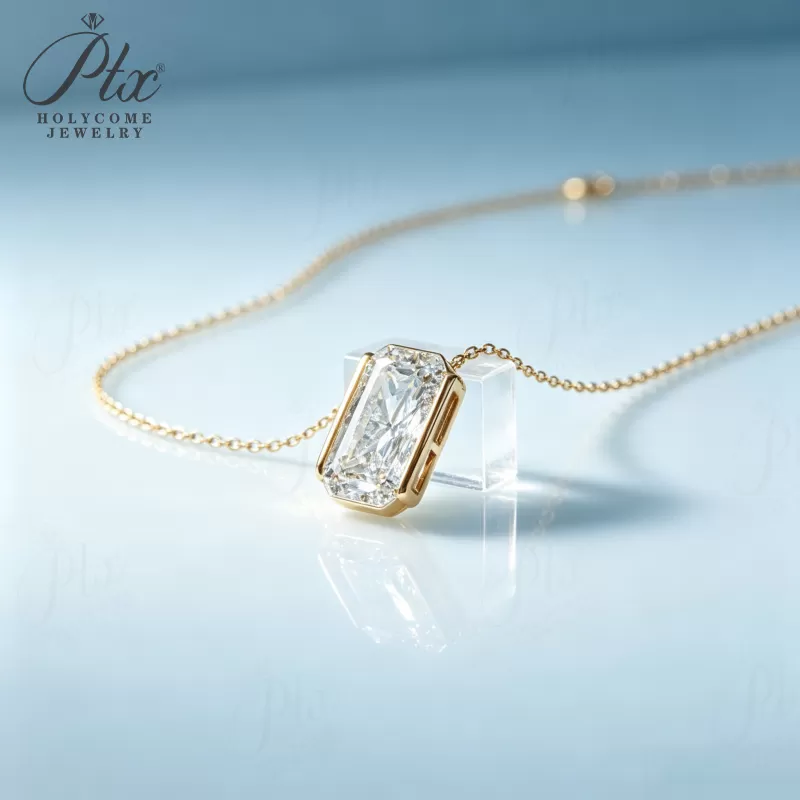
SECTION 01Metal Guide: How Plating Choices Affect Tarnish, Care, and Wholesale Returns
Plating is the single biggest factor that determines whether a wholesale jewelry line stays bright on the shelf or comes back as a tarnish complaint. This Metal Guide breaks down how 925 sterling silver, gold vermeil, gold plated finishes, and solid gold each behave over time, what care routines they actually need, and which plating decisions protect your margins when you are buying at wholesale for the US market.
If you stock plated or vermeil pieces, tarnish is not a defect you can eliminate; it is a lifecycle you need to plan for.
SECTION 02Why Tarnish Happens on Plated Jewelry
Tarnish is a chemical reaction, not a manufacturing failure. On sterling silver, sulfur compounds in the air react with copper in the 925 alloy to form dark silver sulfide. On gold plated and vermeil pieces, the underlying metal drives the problem: once the gold layer wears thin or is breached by scratches, the silver or brass base beneath begins to oxidize. Moisture, perspiration, perfume, lotions, and even storage conditions all accelerate the process.
For a wholesale buyer, this means two things. First, the base metal and plating thickness matter as much as the gold color on the surface. Second, the care instructions you pass along to retail customers are part of your product quality, not an afterthought. A well-informed end customer returns far less stock than one who showers in a vermeil pendant.
SECTION 03Comparing Base Metals and Plating Types
Not all "gold color" jewelry is the same, and your Metal Guide decisions should start with knowing exactly what you are buying. Here is how the common options differ in structure and tarnish behavior.
925 Sterling Silver
Sterling silver contains 92.5 percent pure silver, with the remainder typically copper. It is a true precious metal, but it tarnishes on its own when exposed to sulfur and humidity. Many wholesale buyers choose rhodium-plated sterling silver, which adds a bright white finish and slows tarnish considerably. Unplated sterling can be polished back to brightness, which makes it a forgiving option for retailers who can offer cleaning services or polishing cloths.
Gold Vermeil
Gold vermeil is gold plating applied over a sterling silver base, at a thicker layer than standard plating by regulatory definition. Because the base is silver rather than brass or steel, vermeil is a step up in both cost and performance. The silver base can still tarnish if the gold layer wears through, so vermeil sits in the middle ground: more durable than thin plating, less permanent than solid gold.
Gold Plated Over Other Base Metals
Gold plating over brass, copper, or other alloys is the most affordable finish, and it is also the most vulnerable. Thin plating on a reactive base will show color change first at high-contact points: ring shanks, earring posts, chain clasps, and the inside of bands. This does not make plated jewelry a poor choice; it makes it a price-point product that needs clear care expectations set at the point of sale.
10K, 14K, and 18K Solid Gold
Solid gold does not plate off and does not rust. Lower karats such as 10K contain more alloyed metals, which makes them harder but slightly more prone to surface dulling; 18K is richer in color and softer. For wholesale buyers building a permanent collection, solid gold in 10K, 14K, or 18K eliminates the tarnish-through problem entirely, though the surface can still dull with soap film and body oils and benefits from gentle cleaning.
The table below summarizes how each option performs for a US wholesale program.
| Metal type | Base under the finish | Tarnish tendency | Care level needed |
|---|---|---|---|
| Gold plated | Brass or other alloy | Highest once plating wears | Remove before water and sweat |
| Gold vermeil | 925 sterling silver | Moderate if layer wears through | Soft cloth and dry storage |
| Rhodium plated silver | 925 sterling silver | Low while plating intact | Occasional gentle cleaning |
| 10K to 18K solid gold | Solid gold throughout | Dulling only, no tarnish | Soap, water, soft brush |
Use this comparison to match metal choice to your retail price tier. A plated fashion line at impulse pricing can absorb replacements; a vermeil or solid gold program needs finishes that hold up through daily wear so your brand reputation holds up with it.
SECTION 04Practical Care Instructions That Reduce Returns
Whatever metal you buy, the care card you ship with the goods is a low-cost tool with a measurable effect on customer complaints. At minimum, your instructions should cover the situations that cause most plating failures.
Water, Sweat, and Chemicals
Showering, swimming pools, hot tubs, and heavy perspiration are the top accelerants of tarnish on plated and vermeil pieces. Chlorine is especially aggressive against both silver and thin gold layers. Your care card should tell end customers to remove plated jewelry before bathing, swimming, and workouts, and to put jewelry on after applying perfume, hairspray, and lotion rather than before.
Storage Conditions
Humidity is a tarnish driver even when the piece is not being worn. Airtight bags with anti-tarnish strips, or soft pouches stored in a drawer away from bathroom humidity, extend the life of sterling silver and plated finishes substantially. For wholesale buyers, recommending individual poly bags rather than open displays for backstock protects inventory before it ever reaches the customer.
Cleaning Methods by Metal
Solid gold tolerates mild soap, warm water, and a soft brush. Sterling silver responds well to polishing cloths designed for silver, and unplated pieces can be revived this way repeatedly. Gold plated and vermeil pieces should never be cleaned with abrasive polishes or dipping solutions, which strip the gold layer; a damp soft cloth and immediate drying is the safe routine. Writing these distinctions into your retail packaging prevents the most common self-inflicted damage.
SECTION 05How QC and Certification Fit Into the Metal Decision
Plating quality varies widely between suppliers, and a buyer cannot judge thickness from a product photo. Our production runs a three-stage quality control process: incoming inspection of base metals and plating baths, in-process checks during plating and assembly, and a pre-ship AQL inspection before goods leave the factory. This is how plating adhesion, color consistency, and surface defects get caught before they become your returns.
For pieces set with graded stones, orders ship with GRA or IGI papers, so your retail customers receive documentation alongside a metal construction you can describe accurately. On custom orders with a 30 piece minimum, you can specify base metal, plating thickness targets, and finishing details up front; stock styles have a 1 piece minimum, which lets you test how a plating wears on a sample before committing to volume.
Sampling takes 7 to 10 days, and bulk production runs 15 to 25 days after approval, so a tarnish test on a physical sample fits comfortably inside your planning cycle.
SECTION 06Choosing the Right Metal for Each Price Tier
A practical Metal Guide decision framework for wholesale buyers usually looks like this: use gold plated finishes for trend-driven, seasonal fashion pieces where the price point justifies a finite lifespan; use rhodium-plated sterling silver for everyday silver collections where brightness and easy polishing matter; use gold vermeil for the bridge tier where customers want gold color over a precious base; and reserve 10K, 14K, or 18K solid gold for core pieces you expect customers to wear daily and keep long term.
Matching the metal to the tier also shapes your marketing language. Plated and vermeil pieces should be described honestly as plated or vermeil over their true base, never as solid gold. Mislabeling creates compliance risk in the US market and destroys repeat business when the finish wears. Clear descriptions plus a care card cost nothing and cut complaints dramatically.
SECTION 07Pricing, Ordering, and Logistics for Metal Programs
Wholesale pricing is quoted per piece for finished jewelry and per carat for loose stones, so you can compare a vermeil chain against a solid gold equivalent on consistent terms. Payment terms are T/T with a 30 percent deposit and the 70 percent balance before shipment; sample orders can be paid through PayPal, which keeps initial testing low risk.
Delivery to the US is DDP and takes 5 to 8 days, meaning duties and shipping are handled before the goods reach you and your landed cost is known up front. Combined with the 7 to 10 day sampling window, you can move from metal decision to physical sample to confirmed bulk order inside a single buying season, then restock plated styles before tarnish-prone summer inventory sells through.
Order Terms for Wholesale Buyers
MOQ is 1 piece for stock styles and 30 pieces for custom work, and loose stones are sold by the carat. Sampling takes 7 to 10 days, and bulk production runs 15 to 25 days after the sample is approved. Pricing is quoted per piece or per carat depending on the item. Payment is T/T with a 30% deposit and the 70% balance before shipment, and PayPal is accepted for sample orders.
SECTION 08Frequently Asked Questions
How long does gold plating last before it shows wear?
It depends on plating thickness, base metal, and how often the piece contacts water, sweat, and skin. High-contact areas like ring shanks and clasps show wear first. Testing a physical sample under daily wear conditions for a few weeks tells you more than any specification sheet.
Does gold vermeil count as solid gold?
No. Vermeil is gold plating over a 925 sterling silver base, and it must be described that way. It offers a thicker gold layer than standard plating, but the base metal is silver, and the finish can wear through with heavy use.
Can tarnished sterling silver be restored?
Yes. Unplated sterling silver can be polished back to brightness with a silver polishing cloth or mild silver cleaner. Rhodium-plated silver should be cleaned gently with a soft cloth, since abrasives can wear the rhodium layer.
What should a wholesale care card include?
Instructions to remove jewelry before showering, swimming, and exercise, to apply lotions and perfume first, and to store pieces dry in airtight or soft pouches. Include cleaning guidance specific to the metal type, especially warning plated and vermeil customers away from abrasive polishes.
What is the minimum order to test a plated style?
Stock styles carry a 1 piece minimum, so you can order a sample and evaluate plating wear before volume. Custom work requires a 30 piece minimum, with sampling in 7 to 10 days and bulk production 15 to 25 days after approval.
Build a Metal Program That Matches Your Price Tier
Tarnish is manageable when you choose base metals deliberately, set honest expectations on plating, and put clear care instructions in every order. Whether you are testing a vermeil line with a single sample piece or scaling a solid gold collection on custom production, our team can quote per piece or per carat and ship DDP to the US in 5 to 8 days.
Browse available stock styles and finished pieces in our product catalog, learn more about our production standards and quality control on our about us page, or request a quote and start sampling through our contact page.
Sources: Grading references: GIA gem education and GIA laboratory information.
Frequently Asked Questions
How long does gold plating last before it shows wear?
Does gold vermeil count as solid gold?
Can tarnished sterling silver be restored?
What should a wholesale care card include?
What is the minimum order to test a plated style?
Build a Metal Program That Matches Your Price Tier
Looking for Wholesale Jewelry?
Wuzhou HengliLai Jewelry Co., Ltd. - Professional gemstone and jewelry manufacturer in Wuzhou, China. OEM/ODM services, factory-direct pricing, low MOQ.
Contact on WhatsApp service@holycome.com