Metal Guide: Measuring for: The Method That Cuts Size Returns - HOLYCOME
Size returns on Metal Guide are mostly a measurement problem, not a fit problem. The customer measures wrong, or the product is listed with a range instead of a number.
SECTION 01The measurement the customer should take
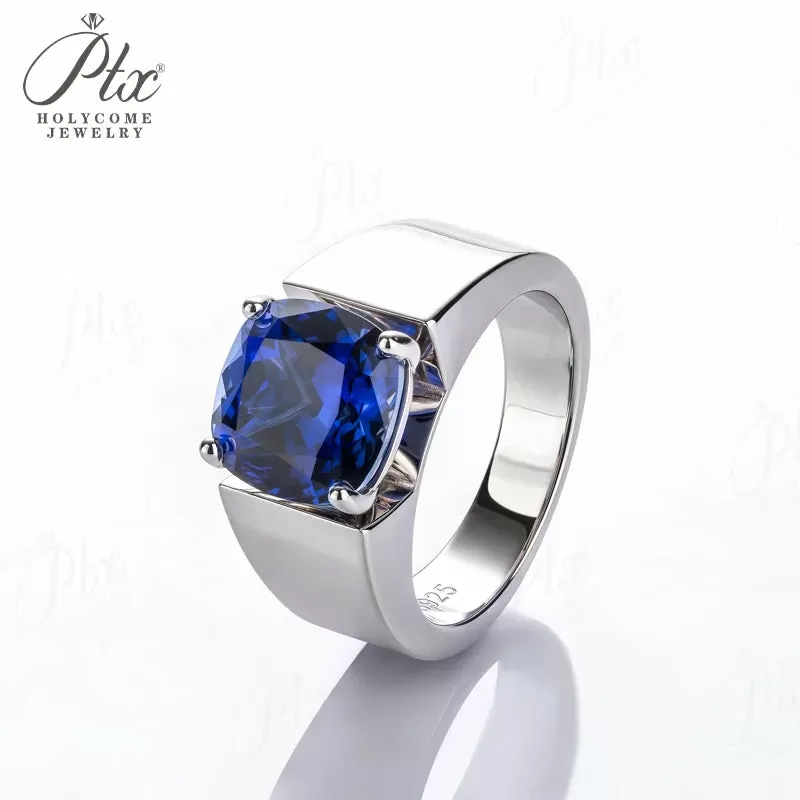
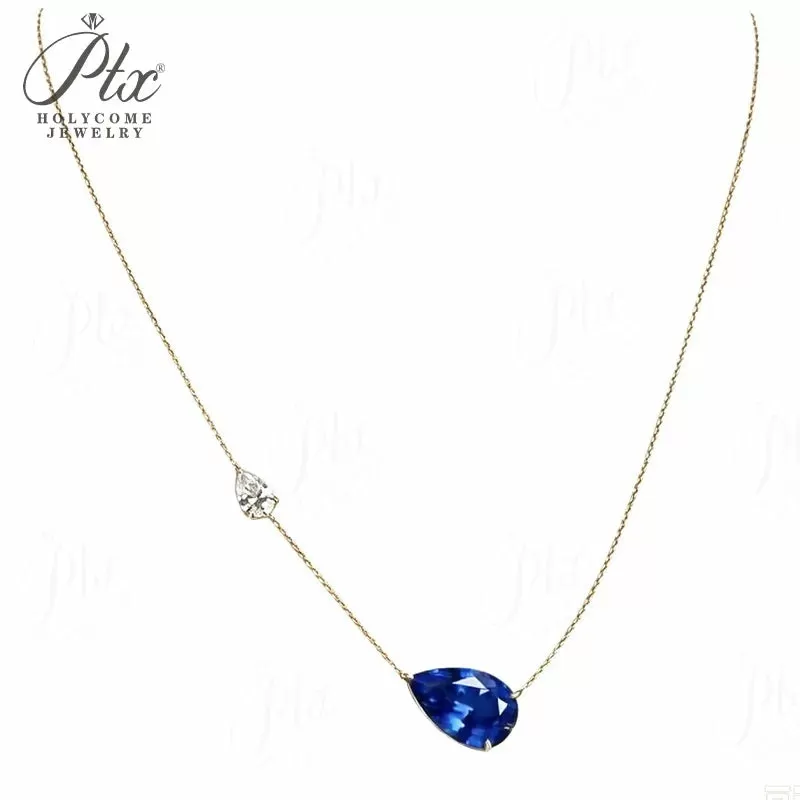
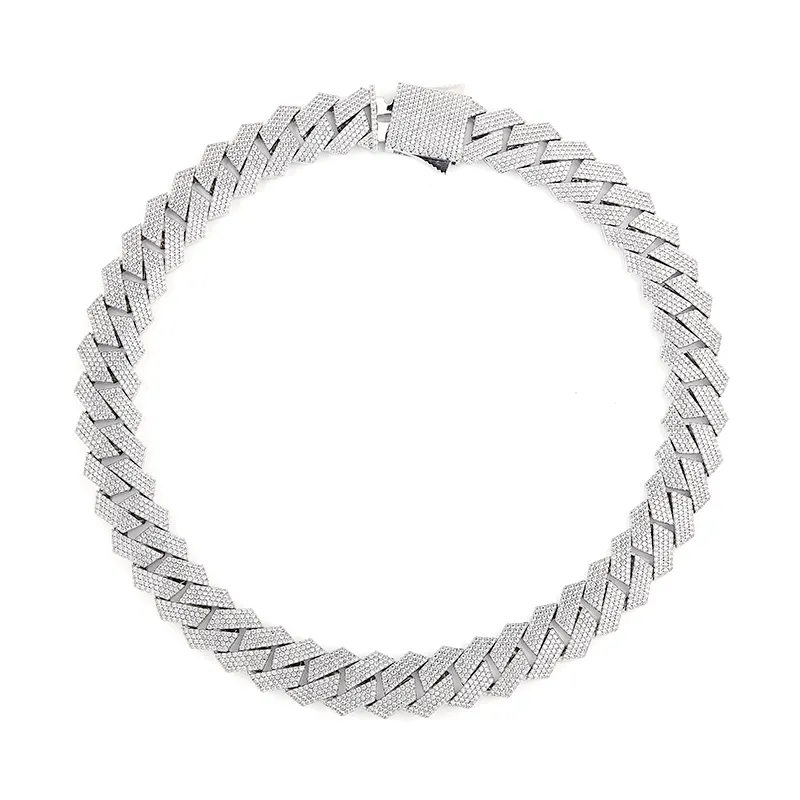
For rings, measure the inner diameter of a ring that fits, in millimetres, and convert with the chart. For chains, measure the length that sits where the customer wants it, not the length of an old chain.
For bracelets, measure the wrist circumference and add the comfort allowance stated on the listing.
Photograph the first article before the batch runs. A shifted seat or a short prong is cheapest to fix at one piece.
SECTION 02The chart that prevents tickets
Publish a chart with three columns: US size, inner diameter in millimetres, and circumference. Add a note on half sizes and on wide bands, which run tighter.
On Metal Guide, the wide-band note removes a whole category of exchange.
| Item | Measure | Tool | Common error |
|---|---|---|---|
| Ring | Inner diameter | Ring gauge | Using circumference |
| Chain | Total length | Tape | Measuring an old chain |
| Bracelet | Wrist plus allowance | Tape | No allowance stated |
| Earring | Post length, drop | Caliper | Drop measured with hook |
Read the table as a checklist rather than a recommendation. The right row depends on the price band, the wear pattern and the channel you sell into.
Set the reorder point from sell-through and lead time, not from the MOQ. Stock cover is a calculation, not a feeling.
SECTION 03Tolerances you should publish
State the manufacturing tolerance, for example plus or minus 0.1 mm on the inner diameter, and the chain length tolerance of plus or minus 5 mm.
A published tolerance is a defence. An unpublished one is a surprise.
SECTION 04How to handle a resize request
Decide in advance which designs can be resized and by how many sizes. Eternity bands and full-channel settings usually cannot.
On Metal Guide, listing the resize limit up front is cheaper than discovering it in a return.
In practice, the first lot answers more than the quote does. Weigh ten pieces, measure five stones and rub three contact points, and the specification stops being a claim.
SECTION 05What to check before the order
Run the five checks below in order. The first two protect the money, the last three protect the launch date.
- Measure diameter, not circumference, for rings.
- Publish a three-column chart.
- Note that wide bands run tighter.
- State the manufacturing tolerance.
- List resize limits per design.
If a supplier cannot answer three of the five, treat the quote as a starting point rather than a plan. Ask again in writing and keep the answer with the PO.
SECTION 06Frequently Asked Questions
How do I measure for Metal Guide?
Measure the inner diameter of a piece that fits, in millimetres, and convert with the published chart. For chains, measure the drop you want.
Why do wide bands fit tighter?
More surface contact. Most charts add a half size for bands over 4 mm.
What tolerance should I publish?
Plus or minus 0.1 mm on the inner diameter and 5 mm on chain length.
Can every design be resized?
No. Eternity and full-channel settings usually cannot. State it in the listing.
How do I reduce size returns?
Publish the chart, the tolerance and the wide-band note. Those three remove most of the wrong-size orders.
Should I buy stock or made to order?
Stock for the top three designs, made to order for the tail. Stock cover is a calculation from sell-through and lead time.
Send the Metal Guide size range. We return a three-column chart, the tolerance text and the resize limits for each design. See the full range at Metal Guide and HOLYCOME.
None of this is exotic. It is a document, a measurement and a date, repeated until it becomes a process.
Looking for Wholesale Jewelry?
Wuzhou HengliLai Jewelry Co., Ltd. - Professional gemstone and jewelry manufacturer in Wuzhou, China. OEM/ODM services, factory-direct pricing, low MOQ.
Contact on WhatsApp service@holycome.com