Jewelry Metal Finishes: Polishing, Brushing, Matte, and Hammered Textures
The finish of a jewelry piece dramatically affects its appearance, perceived value, and wear characteristics. From mirror-bright polish to rustic hammered texture, the right finish can elevate a simple design into a distinctive product. This guide covers the most common jewelry finishes and their manufacturing considerations.
SECTION 01High Polish: The Classic Finish
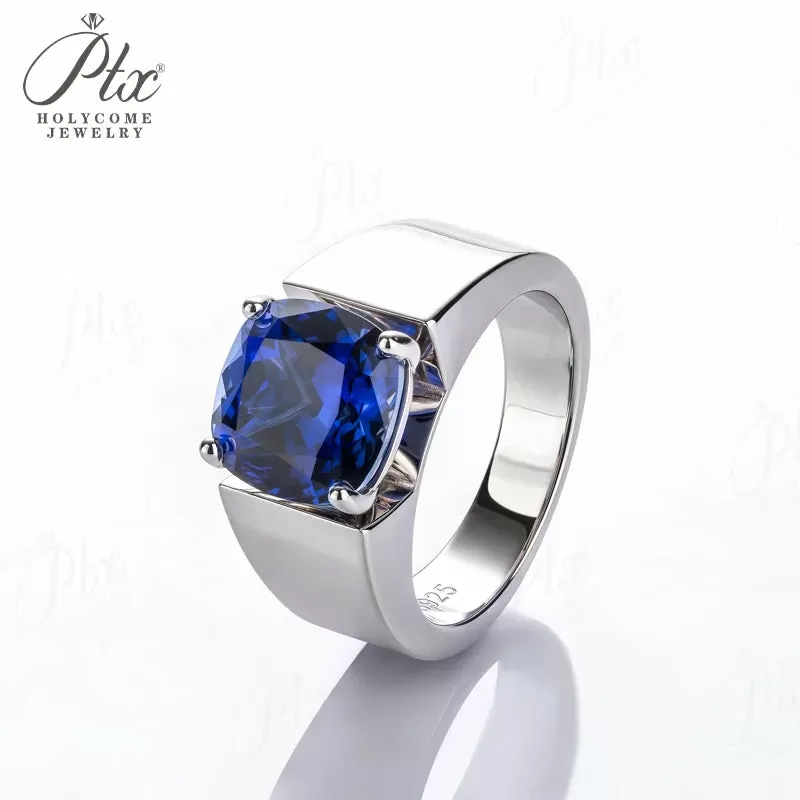
High polish is achieved through progressive buffing with increasingly fine compounds (tripoli for cutting, rouge for coloring), resulting in a mirror-like reflective surface. It is the standard finish for engagement rings, fine jewelry, and pieces where maximum brilliance is desired.
- Pros — Maximizes metal brilliance, shows stone sparkle, classic luxury look
- Cons — Shows scratches easily, requires frequent polishing, fingerprints visible
- Cost — Standard, included in most manufacturing
- Best for — Engagement rings, fine jewelry, stone-set pieces
SECTION 02Brushed Finish
Brushed finish is created by drawing the metal against a wire brush or abrasive wheel in a consistent direction, producing fine parallel lines. It has a soft, satin-like sheen that is more understated than high polish.
- Pros — Hides scratches, modern aesthetic, low maintenance
- Cons — Less reflective, can show wear patterns over time
- Cost — Slightly higher than polish (extra step)
- Best for — Men's rings, contemporary designs, wedding bands
SECTION 03Matte/Satin Finish
Matte or satin finish is created by sandblasting with fine glass beads or using a satin finishing wheel, producing a smooth, non-reflective surface. It has a soft, velvety appearance that is very popular in modern and minimalist jewelry.
- Pros — Very modern look, hides scratches completely, unique
- Cons — Can wear smooth over time on high-contact areas, harder to repair
- Cost — Moderate (requires masking and blasting)
- Best for — Minimalist designs, pendants, earrings, contemporary rings
SECTION 04Hammered Finish
Hammered finish is created by striking the metal surface with a textured hammer, producing a dimpled, organic texture. Each piece is unique, and the texture catches light in interesting ways. It is popular in artisanal and bohemian-style jewelry.
- Pros — Artisanal, unique, hides imperfections, tactile
- Cons — Labor-intensive (hand work), less consistent
- Cost — Higher (hand labor)
- Best for — Artisan jewelry, cuffs, statement rings, bohemian styles
SECTION 05Sandblasted Finish
Sandblasting uses high-pressure air to blast fine abrasive (glass beads, aluminum oxide) at the metal surface, creating a uniform, frosted texture. It is more aggressive than matte finish and produces a slightly rough, non-reflective surface.
SECTION 06Oxidized/Antiqued Finish
Oxidation (also called antiquing or patina) uses chemicals (liver of sulfur, potassium sulfide) to darken the silver or metal surface, then highlights the raised areas by polishing. This creates contrast and a vintage, aged look. It is most common on silver and is popular in gothic, vintage, and detailed designs.
SECTION 07Combination Finishes
Many designs use multiple finishes for contrast: polished center with brushed sides, matte background with polished raised details, oxidized recesses with bright polished highlights. These combination finishes add visual interest and perceived value to a design.
| Finish | Scratch Visibility | Maintenance | Cost Multiplier | Trend |
|---|---|---|---|---|
| High polish | High | Frequent polishing | 1.0x | Classic |
| Brushed | Low | Occasional re-brush | 1.1x | Modern |
| Matte/Satin | Very low | Re-blast as needed | 1.2x | Trending |
| Hammered | Very low | None needed | 1.5x | Artisanal |
| Sandblasted | Low | Re-blast | 1.2x | Industrial |
| Oxidized | Low | Re-oxidize | 1.3x | Vintage/Gothic |
SECTION 08Finish and Durability
The finish affects more than appearance — it also impacts how the piece wears. High polish shows every micro-scratch, while brushed and matte finishes hide wear. Hammered and textured surfaces are the most forgiving. When designing for daily wear (rings, bracelets), consider finishes that hide scratches to reduce customer complaints and maintenance needs.
SECTION 09Frequently Asked Questions
Which jewelry finish hides scratches best?
Hammered, matte, and brushed finishes hide scratches far better than high polish. Textured and non-reflective surfaces make micro-scratches invisible, while high polish shows every mark. For daily-wear rings, brushed or matte finishes require less maintenance.
Can a polished ring be changed to brushed?
Yes. A jeweler can apply a brushed or matte finish to a previously polished ring using a wire brush or sandblaster. The process is quick and inexpensive. Conversely, a brushed ring can be polished back to high shine, though repeated polishing removes tiny amounts of metal.
Does oxidized silver finish wear off?
Oxidation on raised/high-contact areas will wear off over time, revealing the bright silver underneath. This is actually a desirable aging process for many vintage-style pieces. The oxidation in recessed areas lasts much longer. Re-oxidation is a simple, inexpensive process.
What is the difference between brushed and matte finish?
Brushed finish has visible parallel lines from a wire brush, creating a directional, satin-like texture. Matte (or satin) finish is smoother and more uniform, created by sandblasting with fine glass beads. Both are non-reflective, but brushed has visible grain while matte is more velvety and uniform.
Explore more jewelry manufacturing guides at HOLYCOME or contact our team at service@holycome.com for wholesale sourcing.
SECTION 10Related Articles
- Does Platinum Tarnish? Oxidation, Patina and Care Explained - HOLYCOME
- Palladium Jewelry: The White Metal You Forgot About - HOLYCOME
For third-party reference, the Wikipedia article on moissanite details moissanite’s discovery, optical properties and use in jewellery.
Related reading: Metal Allergies and Hypoallergenic Jewelry: A Sourcing Guide, Gold vs Platinum: Which Metal Is Better for Your Jewelry?, Gold Jewelry Care: Cleaning, Polishing, and Maintenance Guide.
Frequently Asked Questions
Which jewelry finish hides scratches best?
Can a polished ring be changed to brushed?
Does oxidized silver finish wear off?
What is the difference between brushed and matte finish?
Looking for Wholesale Jewelry?
Wuzhou HengliLai Jewelry Co., Ltd. - Professional gemstone and jewelry manufacturer in Wuzhou, China. OEM/ODM services, factory-direct pricing, low MOQ.
Contact on WhatsApp service@holycome.com