How to Clean Diamond and Moissanite Jewelry at Home
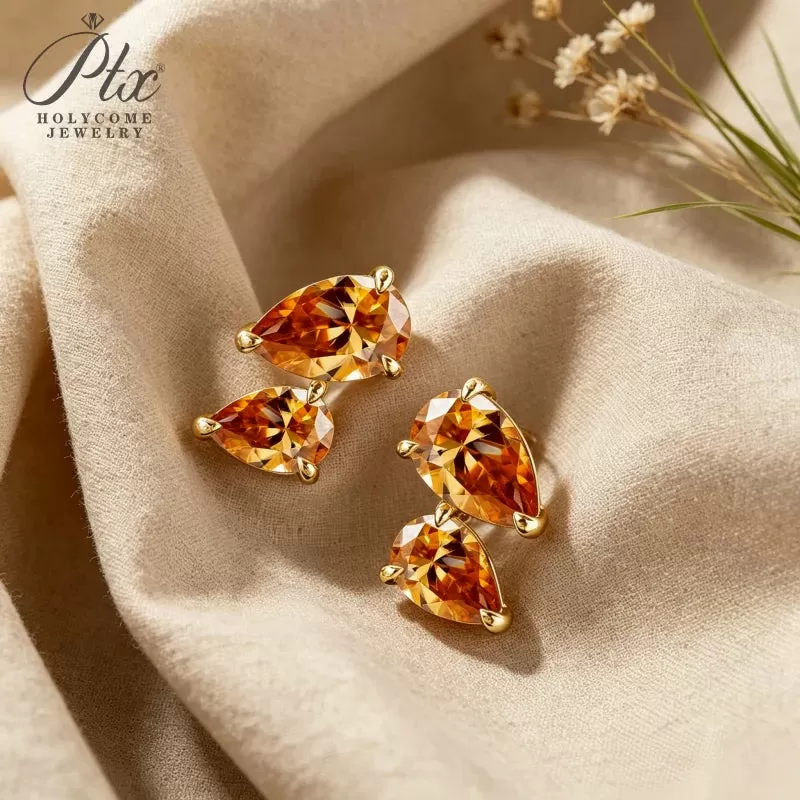
Diamonds and moissanite are the hardest gemstones, but they still lose sparkle when oils, lotions, and dirt accumulate. Regular cleaning restores brilliance and keeps jewelry looking its best.
SECTION 01Why Stones Lose Sparkle
Diamond and moissanite have an affinity for grease. Oils from skin, lotions, soaps, and cooking products adhere to the surface, creating a film that reduces light return. The pavilion (bottom facets) is particularly vulnerable because it accumulates the most buildup.
SECTION 02The Basic Soap and Water Method (Recommended)
- Fill a small bowl with warm water and a few drops of mild dish soap
- Soak the jewelry for 20-30 minutes to loosen dirt and oils
- Gently scrub with a soft-bristled toothbrush - pay attention to the back of the stone and between prongs
- Rinse thoroughly under warm running water (use a strainer to prevent loss)
- Pat dry with a lint-free cloth or let air dry
- For extra shine, buff gently with a jewelry polishing cloth
This method is safe for diamonds, moissanite, and all metal types. It removes 90% of buildup and should be done every 1-2 weeks for rings worn daily.
SECTION 03Ultrasonic Cleaning
Ultrasonic cleaners use high-frequency sound waves to dislodge dirt. Safe for diamonds and moissanite in solid settings, but avoid for emeralds, opals, pearls, turquoise, and any stone with fractures. Run for 1-3 minutes only.
SECTION 04What to Avoid
- Bleach - Discolors gold and weakens prongs
- Ammonia - Can damage some treatments and settings
- Toothpaste - Abrasive, scratches metal and softer stones
- Boiling water - Thermal shock can crack stones
- Acetone - Damages some treatments and adhesives
- Paper towels - Can scratch metal; use lint-free cloth
SECTION 05Professional Cleaning
Professional jewelers use ultrasonic cleaning, steam cleaning, and polishing to restore jewelry to like-new condition. Professional cleaning every 6-12 months also includes prong inspection and tightening, which prevents stone loss.
SECTION 06Maintenance Schedule
| Task | Frequency | Method |
|---|---|---|
| Quick wipe | Daily | Jewelry cloth after wear |
| Deep clean | Every 1-2 weeks | Soap + water + soft brush |
| Ultrasonic | Every 1-3 months | Home ultrasonic (if available) |
| Professional clean | Every 6-12 months | Jewelers ultrasonic + steam + polish |
| Prong check | Every 6 months | Jewelers inspection and tightening |
SECTION 07When to Remove Jewelry
- Before showering (soap buildup, slippery)
- Before swimming (chlorine damages gold and silver)
- Before exercising (sweat accelerates tarnish, impact risk)
- Before applying lotion, perfume, or hairspray
- Before cleaning (chemicals and abrasives)
- Before sleeping (prongs can catch, metal bends)
SECTION 08Frequently Asked Questions
Can I use toothpaste to clean my diamond ring?
No. Toothpaste is abrasive and will scratch the metal setting and can damage softer stones. Use mild dish soap and warm water with a soft toothbrush instead. It is safe and effective for diamonds and moissanite.
How often should I clean my engagement ring?
For a ring worn daily, clean it every 1-2 weeks with soap and water to maintain maximum brilliance. Professional cleaning and prong inspection every 6-12 months is also recommended to prevent stone loss.
Is it safe to use an ultrasonic cleaner on moissanite?
Yes, ultrasonic cleaners are safe for moissanite in solid prong settings. Moissanite is hard (9.25 Mohs) and stable. However, avoid ultrasonic if the setting has loose stones, glued components, or if the piece is antique.
Why does my diamond look cloudy?
A cloudy diamond is almost always caused by a film of oils, lotion, or soap on the stone surface, especially on the pavilion (bottom facets). Clean it with warm water, mild dish soap, and a soft toothbrush, then rinse. If it remains cloudy after cleaning, consult a jeweler.
More expert guides at HOLYCOME. Wholesale: service@holycome.com.
SECTION 09Related Articles
- Titanium and Stainless Steel Jewelry Care: Waterproof Metal Maintenance
- Platinum Jewelry Care: Maintaining Patina | Care Guide
Independent background on moissanite — how its hardness and refractive index compare with diamond — is documented in the Wikipedia article on moissanite.
Related reading: How to Clean Silver Jewelry at Home Without Tarnishing It, Moissanite vs Diamond: The Definitive 2025 Comparison with Data, Lab-Grown Diamond vs Moissanite: The Ultimate Alternative Showdown.
Frequently Asked Questions
Can I use toothpaste to clean my diamond ring?
How often should I clean my engagement ring?
Is it safe to use an ultrasonic cleaner on moissanite?
Why does my diamond look cloudy?
Looking for Wholesale Jewelry?
Wuzhou HengliLai Jewelry Co., Ltd. - Professional gemstone and jewelry manufacturer in Wuzhou, China. OEM/ODM services, factory-direct pricing, low MOQ.
Contact on WhatsApp service@holycome.com