Care & Cleaning Stone Strategy: What the 66 Share Means - HOLYCOME
Most buyers open a care & cleaning category on a price filter and close it on a spec they cannot verify.
SECTION 01Stone choice drives the price story
Lab grown diamond is the dominant stone at 66%; moissanite makes up 33%. In practice that share is the single clearest signal of what a factory can produce repeatably, because stone supply is the part of the chain that is hardest to switch at short notice.
The range holds 4460 designs in this category.
925 sterling silver carries 99% of the designs, which is why a metal change is a scheduling question and not a design question.
Read the metal line as a lead time signal: 925 sterling silver at 99% is the path production already runs every week.
SECTION 02Where the stone mix sits
| Stone | Share | Buying implication |
|---|---|---|
| lab grown diamond | 66 | Stock availability, fastest reorder |
| moissanite | 33 | Available but quoted per line |
| Alternate stones | Remainder | Sampled case by case |
Round cuts lead at 67%, followed by classic at 16%. Cut and stone together decide whether a design reads as bright and modern or quiet and classic.
A range of 4460 designs is deep enough that a shortlist of six can be drawn without leaving a price slot empty.
SECTION 03What disclosure has to look like
A stone claim is a compliance statement, not a marketing line. The listing should name the stone, state that it is lab-grown where that applies, and avoid any wording that implies a natural origin.
- Name the stone in the title and the first paragraph
- State lab-grown explicitly where the stone is grown
- Keep certificate references to documents you can actually produce
- Avoid the words that suggest natural diamond grading
lab grown diamond accounts for 66% of the designs, so stone sourcing is already settled for most of the range.
SECTION 04Reading a stone-led range for reorders
A stone-led catalog reorders well when the same stone appears across many settings. It reorders badly when each design uses a different stone that has to be sourced again. Ask which stones are held in stock and which are bought per order.
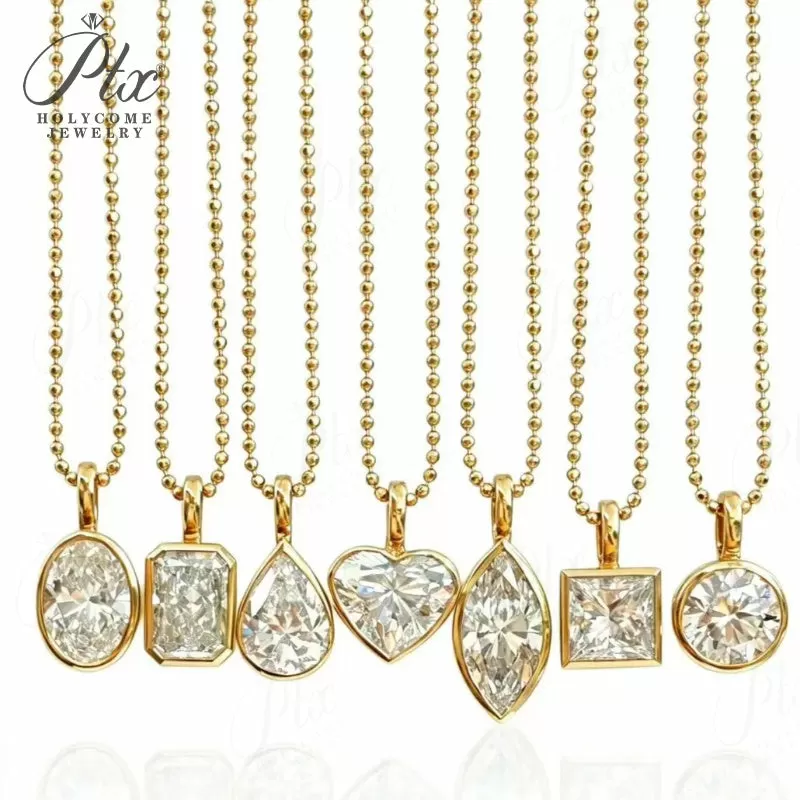
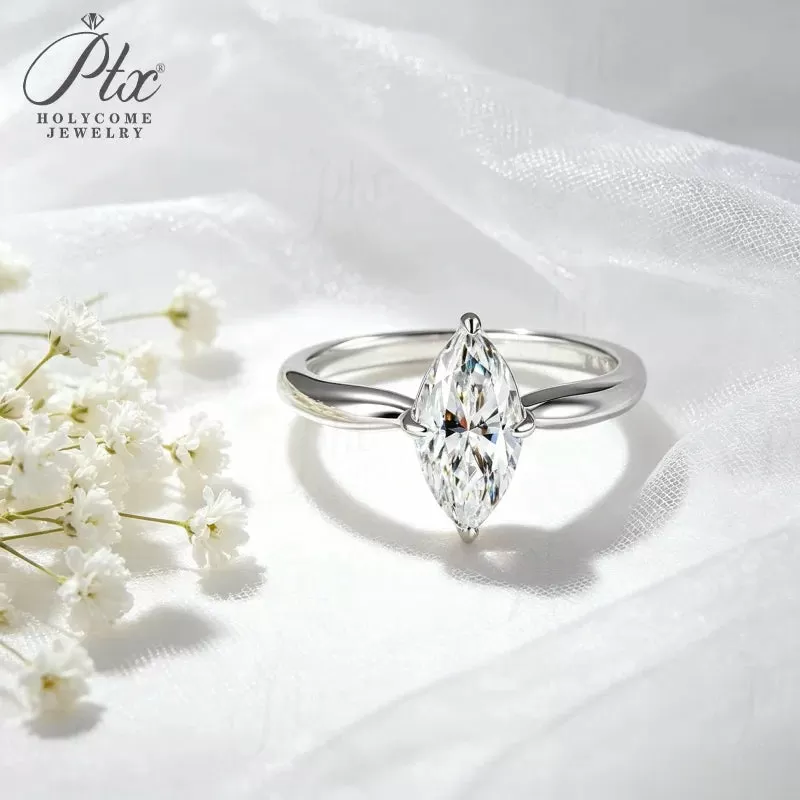
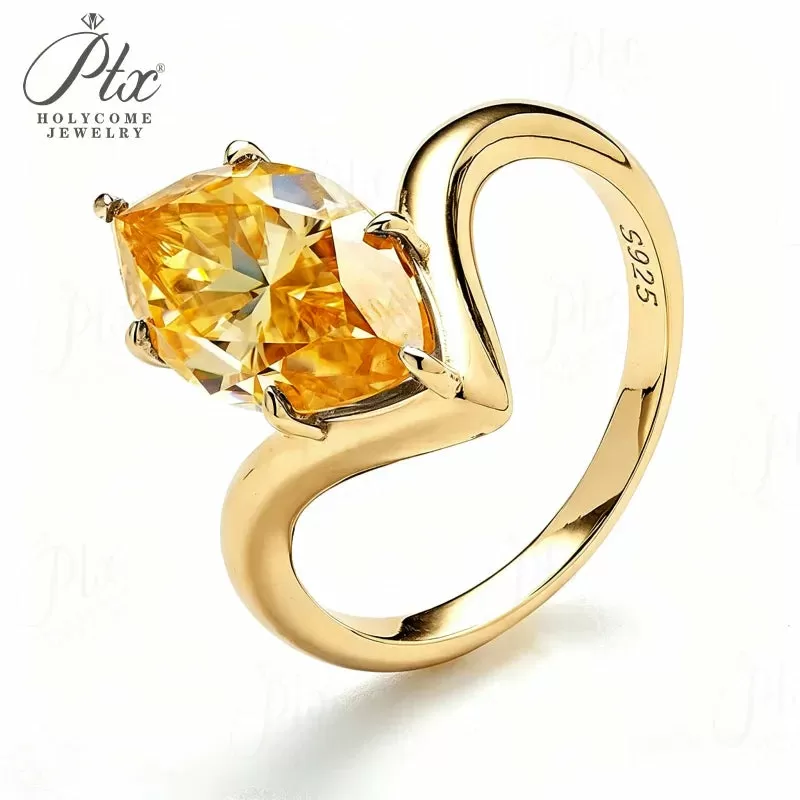
Reference designs in the range include Round Bezel Moissanite Engagement Ring; Square Bezel Moissanite Engagement Ring; Round Bezel Moissanite Engagement Ring.
The figure of 4460 is worth reconciling against your own shortlist before the quote, because it sets how much of the buy can be stock.
Round at 67% is the cut a photographer can light consistently, which shortens the time from sample to listing.
SECTION 05Pricing against the stone, not against the photo
Two designs with the same look can sit far apart in price once the stone is specified. Compare the stone, the carat and the cut before comparing the number.
Cuts outside the Round lead are where a range differentiates, and also where a sample request is most likely to come back late.
SECTION 06Range snapshot: Care & Cleaning by the numbers
Lab grown diamond is the dominant stone at 66%; moissanite makes up 33%.
| Dimension | Reading | Buying note |
|---|---|---|
| Designs on file | 4460 | Shortlist can come from stock patterns |
| Dominant metal | 925 sterling silver (99%) | Quote cycle stays short |
| Dominant stone | lab grown diamond (66%) | Sourcing already settled |
| Leading cut | Round (67%) | Consistent visual language |
Lab grown diamond is the dominant stone at 66%; moissanite makes up 33%. Read the snapshot before the shortlist: a category that is narrow in metal but deep in cut behaves differently from one that is the other way round.
SECTION 07Frequently Asked Questions
Is a lab-grown stone the same as a natural one?
No. They are different products with different supply chains and different disclosure requirements. The listing should say which one the buyer is getting.
Can the stone be swapped in an existing design?
Usually, but it changes the quote and sometimes the setting. Treat it as a new line rather than an edit.
How do I confirm the stated carat weight?
Weigh the sample and compare with the spec sheet. Carat is a measurable claim, not a description.
Do certificates come with every design?
Certificate coverage varies by stone and value. Ask which designs ship with documentation before you build a listing that promises it.
What stone is best for a first order?
The one the range already produces in volume. Depth in a stone is what makes a reorder predictable.
If you want to work from the current range rather than from a catalogue PDF, send the two price slots you sell and the size bands you stock. We will reply with the designs that fit, the build on each, and the reorder path. HOLYCOME keeps the full range in one place.
Frequently Asked Questions
Is a lab-grown stone the same as a natural one?
Can the stone be swapped in an existing design?
How do I confirm the stated carat weight?
Do certificates come with every design?
What stone is best for a first order?
Looking for Wholesale Jewelry?
Wuzhou HengliLai Jewelry Co., Ltd. - Professional gemstone and jewelry manufacturer in Wuzhou, China. OEM/ODM services, factory-direct pricing, low MOQ.
Contact on WhatsApp service@holycome.com