Buying Guides: Durability: The Three Wear Points That Decide Lifespan - HOLYCOME
Durability on Buying Guides is not a material property alone. It is three wear points, each with its own failure mode and its own fix.
SECTION 01Wear point one: the contact surface
The shank inner face, the clasp and the ear post touch skin and other objects most. On Buying Guides, plating wear almost always starts at one of those three.
Thickness and pre-plate cleaning decide how long it lasts. A 0.3 micron plate at the shank wears through in a season of daily wear.
Photograph the first article before the batch runs. A shifted seat or a short prong is cheapest to fix at one piece.
SECTION 02Wear point two: the setting
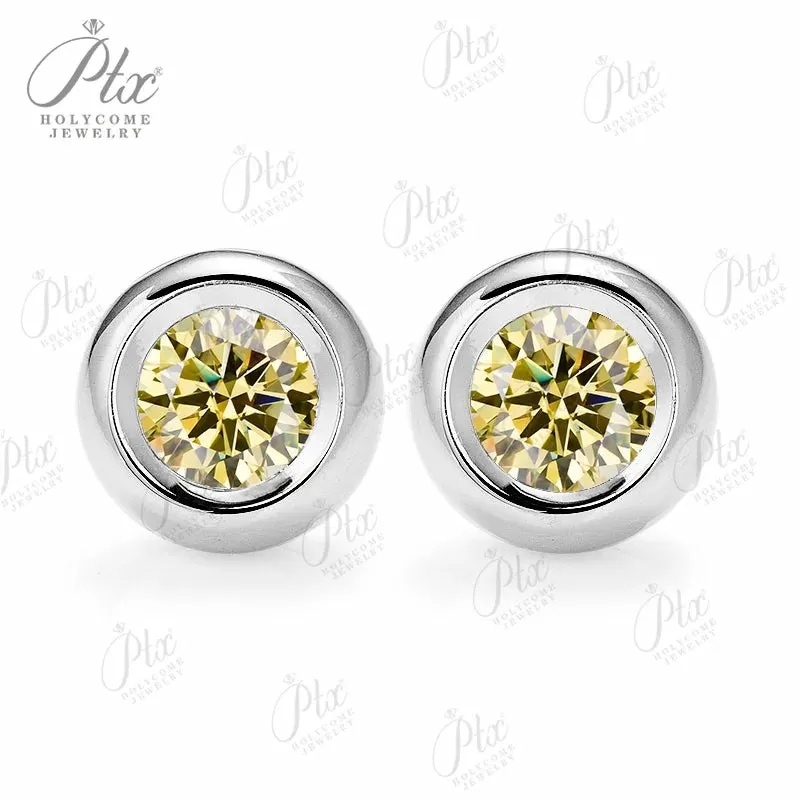
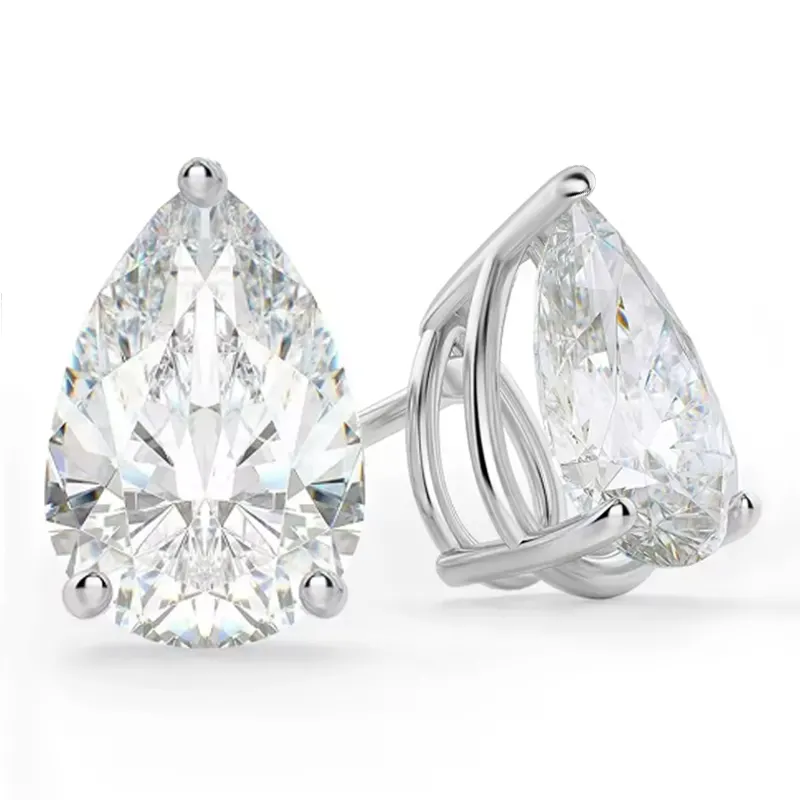
Prongs bend, bezels hold. A four-prong setting exposes the stone and the prongs; a bezel protects both and costs more bench time.
On Buying Guides, the setting choice is also a maintenance choice: prongs need checking, bezels rarely do.
| Wear point | Failure mode | Control |
|---|---|---|
| Contact surface | Plate wear, tarnish | 0.8+ micron, e-coat |
| Setting | Loose stone, bent prong | Seat depth, prong check |
| Joint | Clasp break, hinge wear | Rating matched to weight |
| Surface | Scratches | Finish choice |
Read the table as a checklist rather than a recommendation. The right row depends on the price band, the wear pattern and the channel you sell into.
Compare five cost lines instead of two totals. Metal, stone, labour, finishing and overhead explain a gap that a single number hides.
SECTION 03Wear point three: the joint
Clasps, hinges and sizing joints carry load. A lightweight clasp on a heavy chain is the most common structural failure in the category.
Match the clasp rating to the weight of the piece, and test the joint under load before the lot is released.
SECTION 04Designing for repair
A piece that can be replated, resized and re-pronged lasts longer than one that cannot. Ask at the design stage, not after the first return.
On Buying Guides, repairability is a specification, not an afterthought.
The channel decides the tolerance. A boutique forgives a loupe mark; a marketplace does not. Build the inspection standard to the strictest channel you sell.
SECTION 05What to check before the order
Run the five checks below in order. The first two protect the money, the last three protect the launch date.
- Identify the three wear points in the design.
- Set plating thickness at the contact surface.
- Check seat depth and prong length.
- Match the clasp rating to the weight.
- Design for replating and resizing.
If a supplier cannot answer three of the five, treat the quote as a starting point rather than a plan. Ask again in writing and keep the answer with the PO.
SECTION 06Frequently Asked Questions
How long should Buying Guides last?
Daily wear with 0.8 micron plating and a protected setting typically holds 12 to 24 months before a replate. Thinner plating shortens that sharply.
Why do prongs fail?
Too short a prong, too deep a seat or repeated snagging. A prong check at QC catches the first two.
Is a bezel more durable than prongs?
For the stone, yes. It protects the girdle and removes snag risk, at the cost of bench time.
Can plated jewelry be repaired?
Yes, by replating. Ask for the service and the price before you need it.
What shortens lifespan most?
Thin plating at the contact points, followed by a clasp under-rated for the weight.
How many suppliers should I keep?
Two approved sources for the top three designs, one for the tail. The second source is what keeps pricing honest.
Send the Buying Guides design. We return a three-wear-point review with the plating, setting and clasp specification for each. See the full range at Buying Guides and HOLYCOME.
None of this is exotic. It is a document, a measurement and a date, repeated until it becomes a process.
Looking for Wholesale Jewelry?
Wuzhou HengliLai Jewelry Co., Ltd. - Professional gemstone and jewelry manufacturer in Wuzhou, China. OEM/ODM services, factory-direct pricing, low MOQ.
Contact on WhatsApp service@holycome.com